

The Energy Transition Without Critical Questions Is Not a Transition but Dogma
The Energy Transition Without Critical Questions Is Not a Transition but Dogma
The Energy Transition Without Critical Questions Is Not a Transition but Dogma

738 followers
Translate the following text into these languages.
May 12, 2026
#PUT-IT-ON | put-it-on.online |
The Energy Transition Without Critical Questions Is No Transition But Dogma
For more than ten years, I have been closely following the energy transition. Not from an ivory tower, but through conversations with entrepreneurs, technicians, policymakers, energy companies, citizens, and investors. What has struck me the most over these years is not the speed of the transition, but the lack of space for fundamental questions.
On January 26, 2017, Minister Ard van der Steur was sent home because the House of Representatives felt that they had been inadequately and incorrectly informed. The political outrage was immense. Party leaders spoke about transparency, reliability, and administrative integrity.
Translate the following text into these languages.
But that event raises a much bigger question.
What happens when politics itself provides citizens with unilateral information about climate, energy, and CO2 for years?
It seems that there is hardly any room left for substantive discussion right there.
CO2: Enemy Or Essential Building Block Of Life?
Our atmosphere is composed of about 1/2500th of CO2. Yet this gas is nowadays almost exclusively presented as an existential threat to the Earth. Anyone following the public debate gets the impression that CO2 is synonymous with pollution, danger, and climate disasters.
But CO2 also has demonstrable benefits.
Every Westlandse gardener knows that extra CO2 in greenhouses accelerates crop growth and increases yields. CO2 is, after all, an essential nutrient for plants. Various studies show that higher CO2 concentrations contribute to the greening of parts of the Earth and higher agricultural productivity.
Translate the following text into these languages
The study Carbon Dioxide: The Good News by researcher Indur M. Goklany prominently brought this discussion to light. He was supported by an advisory board that included Dutch climate economist Richard Tol. In the foreword, physicist Freeman Dyson stated that, in his opinion, the impact of CO2 on climate change is structurally exaggerated.
That does not mean that environmental pollution is not a problem. It does mean that a mature energy debate must allow for nuance, proportionality, and scientific discussion.
Translate the following text into these languages.
The Energy Transition Has Become A Financial Mega-Project
In Europe, hundreds of billions of euros are spent on climate policies, wind farms, solar fields, CO2 reduction programs, and subsidy systems. Meanwhile, energy bills for households and businesses are rising sharply, while security of supply is under pressure.
Translate the following text into these languages
The question that is asked too little is:
Where is the evidence that these enormous investments are actually proportional to the intended effect?
In practice, we are increasingly seeing that policy plans are no longer defended based on open debate, but through legal coercive measures such as the Crisis and Recovery Act, nitrogen measures, accelerated permit procedures, and state coordination arrangements.
Your text here.
That clashes with democratic principles.
A healthy energy transition requires support, transparency, and verifiable substantiation, not administrative pressure or political framing.
Fear Is The Strongest Revenue Model
People are willing to pay when they are scared of risks. We know this principle from insurance, financial markets, and political policy.
The bigger the doomsday scenario, the greater the willingness to accept sacrifices.
That is exactly why citizens must critically examine how climate models, CO2 discussions, and energy measures are presented. Asking critical questions is not a denial of climate change. It is a necessary condition for democratic oversight.
Energy Policy Needs Facts, Not Ideology
The energy transition is too important to be driven solely by political emotion, subsidy interests, or public fear campaigns.
The Netherlands needs:
Translate the following text into these languages.
Translate the following text into these languages (en: English, nl: Dutch, zh: Mandarin Chinese, es: Spanish):
Not on slogans.
The future of energy demands open debate, not the silencing of dissenting opinions.
As soon as criticism is made impossible, a transition slowly turns into a belief system.
Translate the following text into these languages.
#PUT-IT-ON
#EnergyTransition #CO2 #ClimatePolicy #EnergyCrisis #SustainableEnergy #WindEnergy #SolarEnergy #EnergyTransition #ClimateDebate #GridCongestion #EnergyPrices #EuropeanUnion #ClimateAgreement #ClimateLaw #EnergyInnovation #EnergySecurity #GreenEnergy #ClimateDiscussion #Sustainability #EnergyPolitics #Netherlands #WindFarms #CO2Debate #ClimateRealism #Transparency #Democracy #PUTITON #EnergyNews #ClimatePolicy #SustainableFuture
Other articles by PUT-IT-ON Energy
Shell announced on Thursday the results for the first quarter of 2026.
May 7, 2026 · 07:50READ MORE
Curaçao's premier sees ministers come and go, but is especially pleased with an oil tanker full of Venezuelan crude oil.
Jan 19, 2026 · 14:13READ MORE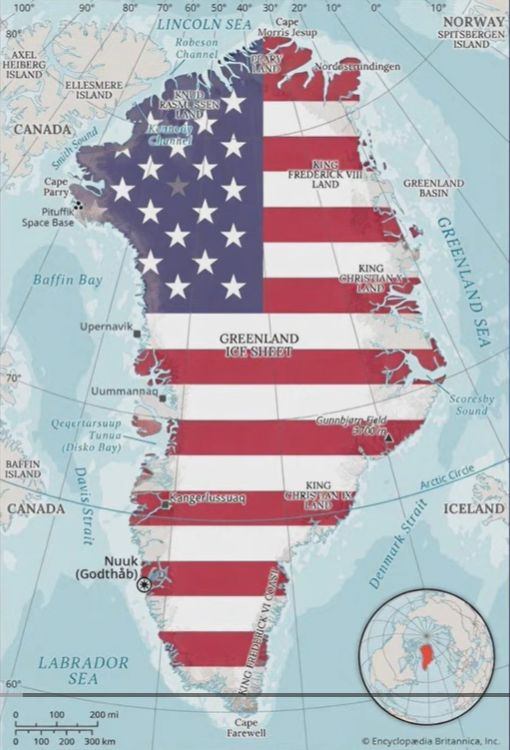
Greenland is not an island, but an energy price
Jan 6, 2026 · 17:26READ MORE