

Being fit and healthy is one thing. But how do you stay fit and healthy?


Being fit and healthy is one thing. But how do you stay fit and healthy?
Michael R. Maljers
Founder & CEO, PUT-IT-ON | The Business Identity & Trust Platform | Making People, Experience & Credibility Visible. November 13, 2026
Being fit and healthy is one thing. But how do you stay fit and healthy?
The key to a vital life does not lie in a single miracle remedy, one training program, or a temporary diet. It is about the combination of strength training, daily movement, nutrition, breathing, recovery, and mental health.
Everyone wants to be fit and healthy. But how do you make sure you stay that way?

In the more than 48 years that I have been involved in strength training and fitness myself, I have learned one thing: you don't build a healthy and strong body in a few weeks. It requires knowledge, consistency, patience, and above all, insight into how the human body works.
Still, I see that many people make their health unnecessarily complicated. They search for the perfect diet, the latest supplement, or a training program that will get them results as quickly as possible.
But reality is different.
A healthy body is the result of a holistic approach.
On December 3, 2026, I am launching my new book Wat niemand je vertelde over trainen (What Nobody Told You About Training). In it, I share my experiences and insights about training, the human body, and how we can keep moving responsibly and become stronger.
My message is explicitly not that everyone must become a top athlete. On the contrary, precisely people who want to maintain their health, muscle strength and vitality can greatly benefit from a better perspective on exercise and training.
1. Strength training: investing in the future of your body
One of the most important parts of healthy aging is maintaining muscle mass and muscle strength.
As we age, many people gradually lose muscle mass. This process is also called sarcopenia. Reduced muscle strength can affect our mobility, balance, and independence.
Strength training can help slow down this process.

You don't have to go to the gym every day for that. For many people, two times a week is a good start. Three times a week can be a suitable training frequency, depending on your capacity and recovery.
The most important thing is that you learn to train in a way that suits your body.
Training is not simply moving weights. It is understanding how muscles respond to load, how recovery works, and why the right training stimulus is so important.
2. Daily movement: don't underestimate small steps
Not everyone has the time or ability to exercise intensively. However, that does not mean you can do little for your health.
Walking, cycling, taking the stairs, and regularly standing up when you have been sitting a lot all contribute to an active lifestyle.
Exercise supports, among other things, fitness, circulation, metabolism, and physical endurance.
My advice: make exercise a fixed part of your day. Not because you have to, but because your body benefits from it.
3. Nutrition: the fuel for recovery and performance
A good training program without proper nutrition is like a car without the right fuel.
Proteins deserve particular attention. They provide the building blocks the body needs for the maintenance and repair of muscle tissue.
In addition, sufficient vegetables, fruit, fiber, healthy fats, carbohydrates, and fluids are important for a balanced diet.
There is no universal nutrition plan that works for everyone. Age, body weight, training load, and personal circumstances all play a role.
It's not about a temporary diet, but about food choices you can maintain in the long term.
4. Breathing: an important part of physical balance
We breathe automatically. Yet we rarely stop to consider how much our breathing affects our daily functioning.
Mindful breathing exercises can help with relaxation, stress regulation, and body awareness.
Proper breathing technique is also important during strength training and other forms of exertion.
By paying attention to your breathing, you can learn to handle effort and relaxation more consciously.
5. Periodic fasting and recovery: it's not all about eating more or eating less
Intermittent fasting, in other words periodic fasting, is receiving more and more attention in the world of health and longevity.
With certain forms of periodic fasting, you limit the period in which you eat. Research shows that this can contribute to weight loss and improvements in certain metabolic health markers in some people.
But fasting is not a miracle cure.
Of course, when you do strength training regularly, you need to pay sufficient attention to protein intake, energy supply, and recovery.
Periodic fasting is also not suitable for everyone. An approach must fit your health and personal situation.
The goal is not to eat as little as possible. The goal is to properly support your body.
6. Mental health: a vital life requires more than muscles
A strong body is important, but mental health must never be forgotten.
Sleep, relaxation, social connections, enjoyment, and personal fulfillment play a major role in our well-being.
We often talk about muscle mass, fitness, body fat percentage and body weight. But how often do we ask ourselves whether we are happy with our daily lives?
Health is more than a physical achievement.
A good balance between physical and mental health forms an important foundation for a vital life.
7. Amino Alliance: a complementary approach to vitality
In my search for knowledge and practical options in the field of health and vitality, I also have a wonderful connection with my good friend and athlete Diederik van Nederveen.
Diederik is involved with Amino Alliance, a product we would like to bring to attention within the broader conversation about nutrition, health, and a conscious lifestyle.
Supplemental products can play a role in some people's diets. However, I think it's important to remain realistic about this.

No supplement can replace strength training, sufficient physical activity, good nutrition, or recovery.
Amino Alliance should therefore not be seen as a replacement for a healthy lifestyle, but as a possible addition to it.
Our shared interest goes beyond just a product. Above all, we want to contribute to knowledge, awareness, and practical opportunities that help people work on their health.
What nobody told you about training
On December 3, 2026, my new book will be published:
What nobody told you about training.
After nearly 48 years of experience in training, I want to share my knowledge and insights with anyone who wants to better understand the human body, muscle development, training load, and responsible movement.
Whether you are 25, 45, 60, or 75: you can keep working on your strength, fitness, and vitality at your own level.
You don't have to change everything at once. Start with small steps and make it a habit.
My main advice?
Train wisely. Eat mindfully. Move regularly. Take recovery seriously, and above all, don't forget to enjoy life.
Being fit and healthy is beautiful. But staying fit and healthy, that's what really matters.
Because in the end, we don't just want to grow older.
Above all, we want to grow old well.
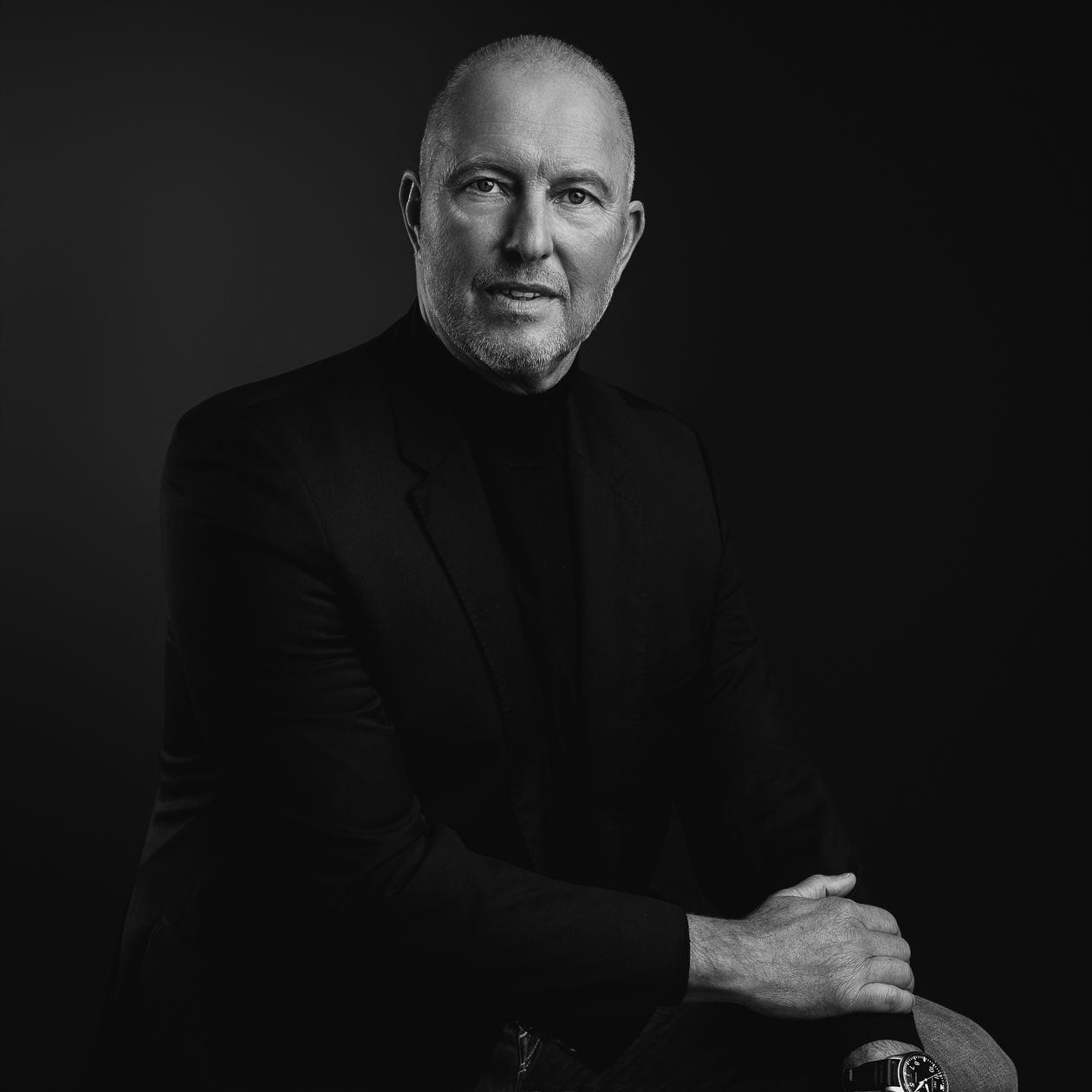
Michel Maljers Author – What Nobody Told You About Training Founder & CEO PUT-IT-ON.ONLINE Nearly 48 years of experience in fitness, strength training and the human body.
Other articles by Michael R. Maljers

It is five minutes to twelve. Not to stand still, but to move forward.
Nov 8, 2026 · 19:51READ MORE
Forward with architecture, backward with prestige. How do you view Rotterdam?
Nov 5, 2026 · 15:09READ MORE
HOW MANY MILLION IS YOUR ORGANIZATION GOING TO INVEST IN WHAT ALREADY EXISTS?
Oct 9, 2026 · 14:55READ MORE