

A €50 note does not require an account.
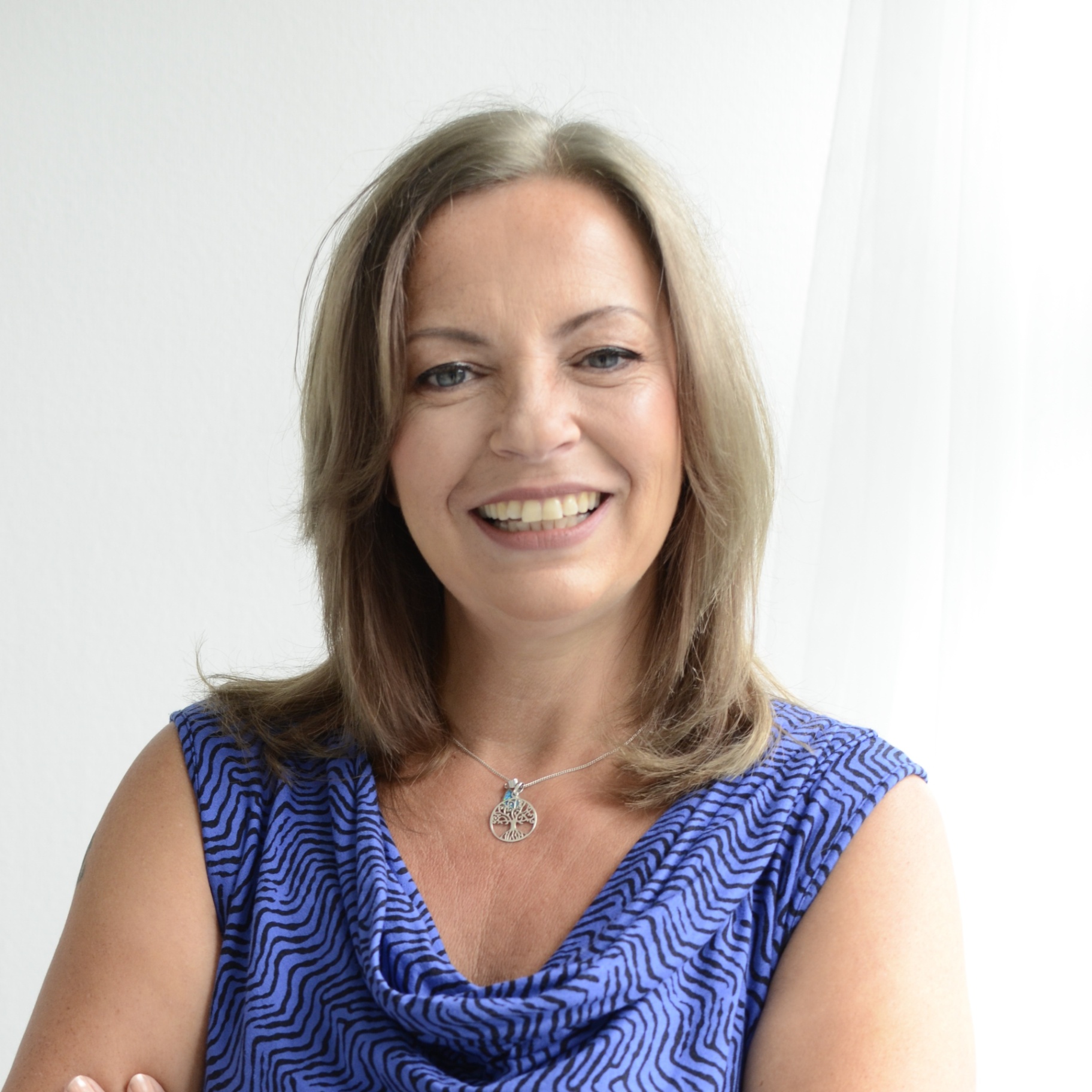

A €50 note does not require an account.
I give you a €50 note. You accept it. Done. For that transfer, we do not need to ask a bank to lower my balance and raise yours. The note itself changes ownership. With digital money, something fundamentally different happens. When I transfer you €50, there isn't a digital note traveling from my account to yours. What changes is the administration.
My balance will decrease by €50. Yours will increase by €50. And it's that difference that I find fascinating. With cash, I am transferring something that I physically have in my hands. With digital money, I rely on a system to accurately record how much balance belongs to me and how much belongs to you. For a regular payment, I hardly notice anything different. Until I start to wonder what happens when money becomes increasingly digital. Because the less ownership physically changes hands, the more important the infrastructure becomes that records what belongs to whom. Then, for me, the future of money suddenly becomes not just about faster, cheaper, and easier payments.
A more fundamental question arises: If my money is permanently allocated for registration, how much trust do I place in the entity that maintains that registration?
Source: Ingrid de Bock
Other articles by Ingrid De Bock
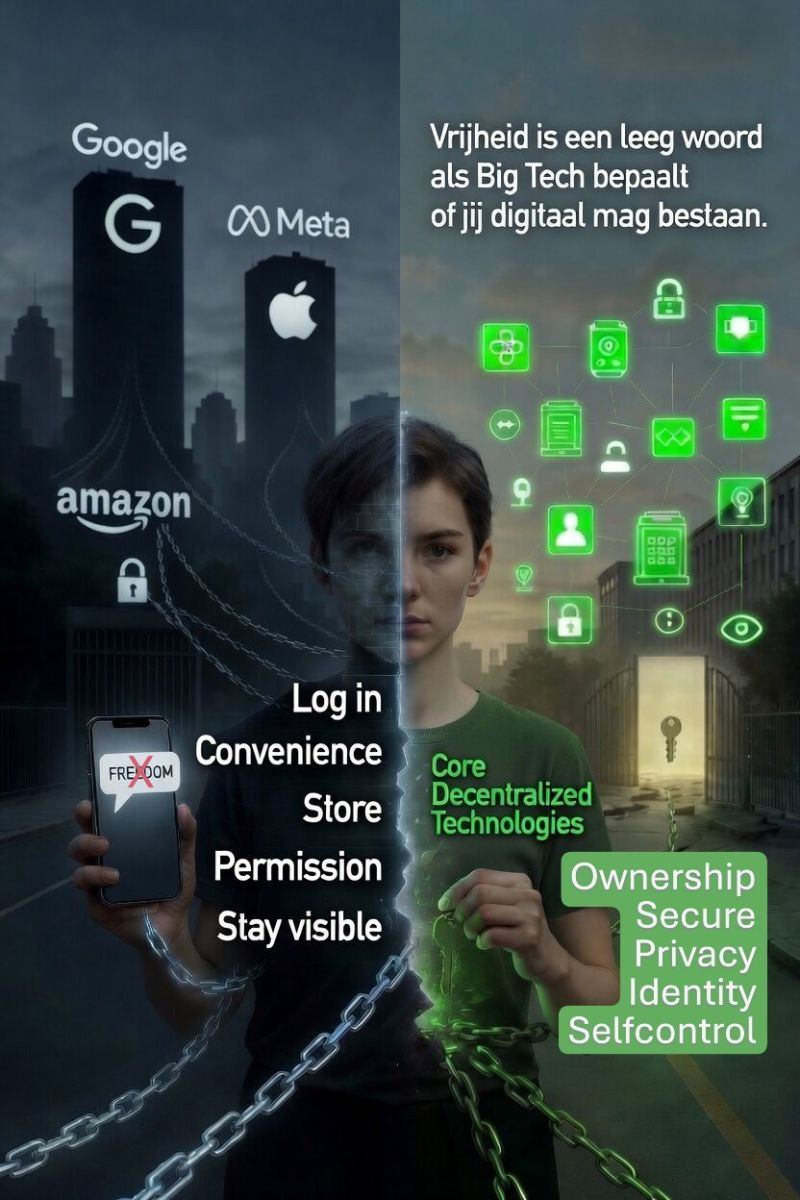
Freedom is an empty word as soon as your digital existence depends on Big Tech.
May 6, 2026 · 13:37READ MORE
The most dangerous thing about this time is not that everything is becoming digital.
Apr 20, 2026 · 07:14READ MORE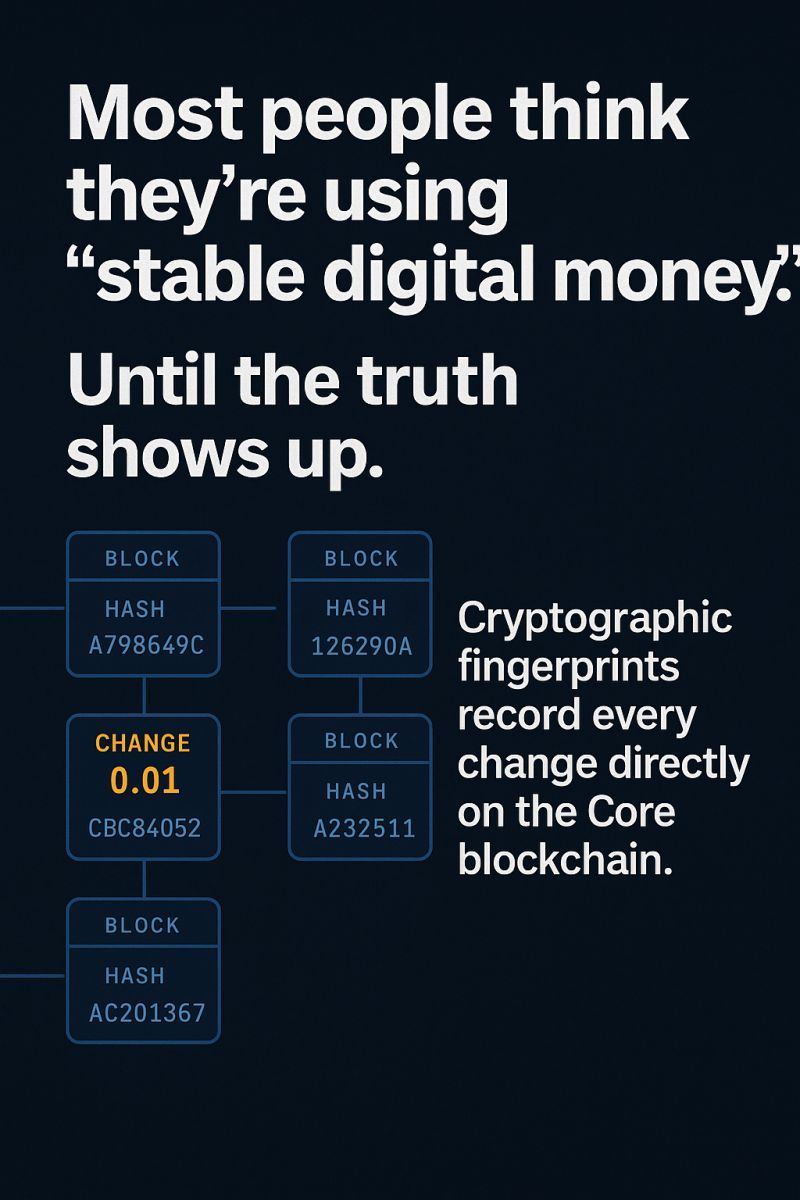
Most people think they’re using “stable digital money.”
Dec 4, 2025 · 07:30READ MORE