Putiton Newsroom | Economic Intelligence
The Perfect Storm: Are We Approaching a Global Financial Inflection Point?
By the Putiton Newsroom Analysis Desk
Date: October 26, 2025
“Inflation remains far too high,” warns the new President of De Nederlandsche Bank. Within the same week, the IMF issues a stark caution: a “disorderly market correction” may be imminent.
Together, these signals paint a troubling picture of what could soon become a global financial storm.
🌍 Central Banks vs. Inflation: The Late-Cycle Dilemma
The ECB’s regional warnings highlight the most dangerous stage of the monetary cycle.
- Monetary transmission is lagging — rate hikes are still filtering through the real economy.
- Policy space is shrinking — tightening further risks recession, easing too soon fuels inflation.
This combination places Europe — and much of the developed world — in the late phase of the tightening cycle: economic slowdown colliding with sticky inflation. It’s the classic precursor to stagflation.
💣 IMF Alarm: Signs of Systemic Stress
The IMF’s use of the term “disorderly correction” is not routine. It implies:
- Liquidity fractures in global bond markets,
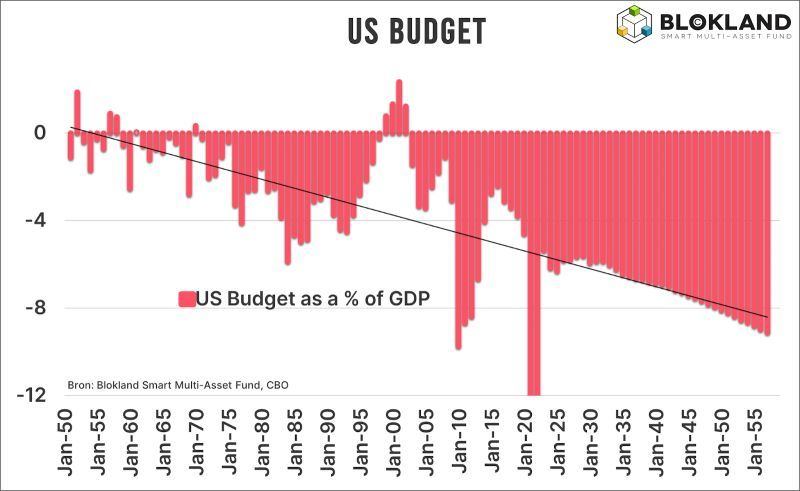
- Rising concern over debt sustainability,
- And an emerging flight to safety into USD, gold, and cash reserves.
The Fund’s language suggests systemic tension, with risk levels reminiscent of 2008’s pre-crisis instability — yet this time layered atop sovereign debt fragility and persistent inflation.
🇩🇪 Germany & 🇨🇳 China: Structural Realignment Underway
Germany’s industrial slowdown continues, pressured by high energy costs and weakening export demand. Meanwhile, China appears to be consolidating reserves, strengthening control over capital flows, and signalling preparation for a monetary power shift — possibly tied to de-dollarization efforts.
Together, these developments suggest an evolving multipolar economic order, where financial gravity may slowly shift away from the traditional Western core.
🪙 Precious Metals, Warrants, and Bitcoin: The Flight for Value
Recent market behavior has turned paradoxical:
- Gold prices have dropped sharply — yet gold warrants and physical demand are surging.
- Bitcoin has spiked in the same period, implying a rotation toward alternative assets amid distrust in fiat stability.
This divergence typically occurs during transitional stress periods — when traditional hedges lose short-term reliability and capital seeks refuge in scarce or decentralized stores of value.
⚡️ The Convergence: Anatomy of a Perfect Storm
Three structural pressures are now intersecting:
- Persistent inflation + high interest rates → eroding debt sustainability.
- Geopolitical realignment → China and Europe recalibrating for a new global framework.
- Market stress signals → volatility spikes, liquidity strains, and widening credit spreads.
“This is the kind of macro setup where small shocks can trigger large reactions,” notes one macro strategist. “It’s not about one event — it’s about interconnection.”
The pattern matches the early warning stages of previous systemic events — a confluence of inflation inertia, leverage buildup, and confidence erosion.
🧭 What Comes Next: Three Possible Outcomes
- Central Bank Pivot: Rate cuts or renewed liquidity support to restore calm.
- Liquidity Crisis: A rapid correction forcing emergency interventions.
- Monetary Reset: Structural revaluation of hard assets or the emergence of a digital-currency framework.
-
Each scenario carries profound implications for capital flows, asset allocation, and global governance.
🧩 Editorial Insight
The late-cycle monetary tension has now merged with geopolitical uncertainty — a rare and volatile mix. Whether policymakers choose stability over discipline, or vice versa, the global system is already shifting beneath the surface.
The age of predictable markets has ended. What replaces it will depend not on confidence, but on credibility.
Putiton Newsroom – Economic Intelligence Division
For inquiries or republication rights, contact : put-it-on.online