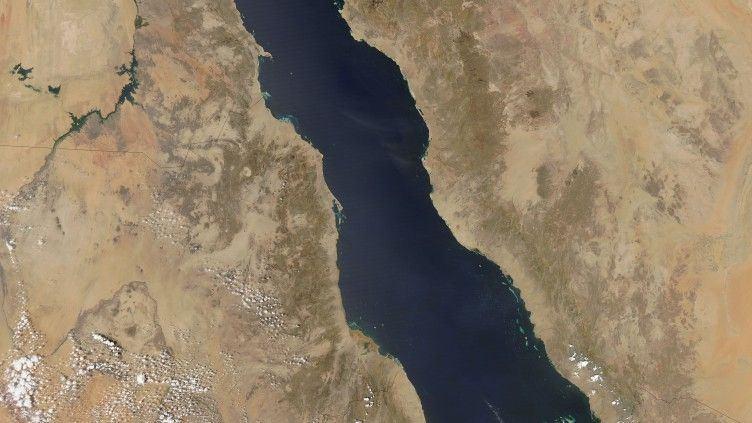
The Red Sea region, a strategic nexus connecting the Suez Canal, the Gulf of Aqaba, and the Bab El Mandab, has emerged as a crucial focal point of global attention. Its strategic importance, given its unparalleled location, is of utmost urgency and cannot be overstated. This region, with its diverse array of littoral states, including Egypt, Saudi Arabia, and East Africa, has seen its geopolitical and economic significance underscored by events such as the COVID pandemic, the Ever Given grounding, and Houthi attacks. The geographical position and the interplay of global forces make it a crucial area of study.
As global powers simultaneously cast their gaze on the region's geopolitical power projections, the littoral states, particularly the GCC middle powers, are rapidly expanding their influence and significantly shaping the region's future. With Saudi Arabia and the UAE deeply involved in energy, agricultural, and industrial projects on the western side of the Red Sea, the influence of these GCC countries is growing significantly. This reshaping of the region's future is a direct result of their actions. Egypt, Sudan, and the entire East Africa, especially the countries in the Horn of Africa, are increasingly reliant on the financial sector. There is an influx from GCC governments and their respective sovereign wealth funds. The current focus is primarily on energy-related investments, with a significant shift from traditional hydrocarbons to renewable energy sources, as well as energy infrastructure and logistics.
This piece will assess the impact and strategies of GCC members on the Western Red Sea countries, particularly. Egypt, Sudan, and Ethiopia are also considering the intricate links between energy, infrastructure, investments, and power projections. As with oil and gas, politics and energy are inextricably intertwined.
GCC overall strategy
Over the last 10-15 years, Arab Gulf countries have undergone significant economic and social changes, driven by both internal pressures and external shocks. Demographic growth—especially a young population—and the structural limits of rentier-state models have created mounting pressure to diversify economies beyond oil.
At the same time, the impact of the Arab Spring, the emergence of new global powers, and the Russian invasion of Ukraine have forced most Gulf Arab regimes to rethink their position and increase their attention to regime stability. At the same time, the overall impact of current confrontations between Israel and Iran or the Gaza War (Hamas-Israel) is not having a significant effect on investment strategies of the GCC. Overall, even though the media are reporting extensively on Gaza and Iran, the GCC's regional investments are mainly disconnected, except for defense-related projects. After decades of paying off their citizens (nationals) as part of a rentier-state system, while investing primarily outside their region (MENA), dramatic changes have been made. Without altering their monarchical foundations, investment policies at present place greater emphasis on domestic and regional priorities. This shift is significant and has a direct impact on the region's economic and geopolitical landscape.
After COVID-19, it has become clear that Saudi Arabia and the UAE have increased their regional investment strategies in the near abroad, especially in North Africa and the Horn of Africa. Possible supply chain threats (as occurred during COVID) or changing geo-economic alliances are pushing the Arab states to focus on African opportunities, especially in energy, renewable energy, and hydrocarbons. The primary focus is the near abroad, specifically the littoral states of the Red Sea region.
It can be seen as a global inflection point, reshaping fiscal policies and priorities, redefining the geopolitical implications of energy investments, and accelerating the energy transition in the rentier states of the MENA region. The COVID-19-related shutdown of travel, international trade, and maritime operations has led to this shift. The period after COVID-19 (2020-2021) shows a significant shift from fossil fuel expansion to energy diversification, decarbonization, and targeted regional integration.
The increased focus on renewable energy, green hydrogen, battery storage, and even energy security diplomacy is a major driver at present. In Saudi Arabia, a full-scale rentier state (hydrocarbons), investments have been focused on NEOM, Oxagon, and other Vision 2030 megaprojects, all linked to renewable energy. NEOM’s $8.4 billion Green Hydrogen Project (2021) and tenders of around 58.7GW of renewables by 2030, combined with 11.7GW of battery storage, show a shift in energy strategies and reindustrialization around the Red Sea.
At the same time, the UAE has pushed for the global expansion of its energy policy through MASDAR, a renewable energy company established in 2006, aiming to reach 100 GW of renewables by 2030 as part of the UAE’s Net Zero 2050 strategy.
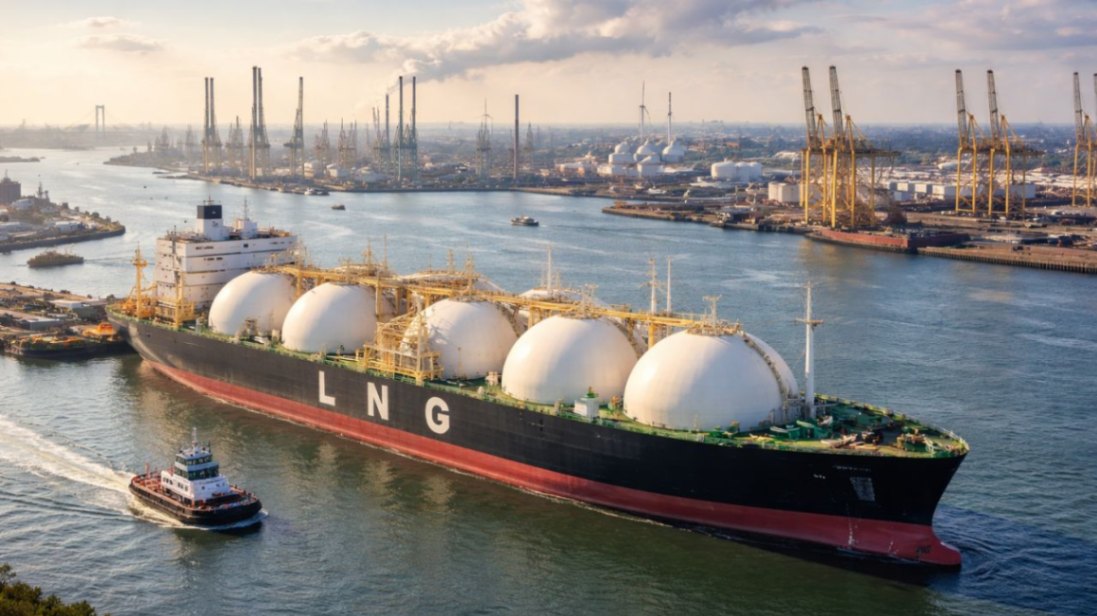
Before COVID-19, the primary focus in Egypt was hydrocarbons, with an emphasis on its energy-hub strategy centered on LNG exports. Since COVID, Cairo has been pivoting away from its gas-focused strategies by adopting an integrated sustainable energy strategy (ISES) 2035, a comprehensive plan that includes a policy to position itself as a green fuel export option for Europe. The latter includes projects in Ain Soukhna and the Suez Canal Zone (SCZONE).
In this context, energy has become both a driver and a tool of diversification. Gulf states are not only expanding their investments in renewable energy domestically but also projecting their energy strategies abroad across the Red Sea. Saudi Arabia and the UAE, for instance, have recalibrated their sovereign wealth funds to focus more on regional energy infrastructure, green hydrogen, and port logistics. The Red Sea region, viewed as their 'near abroad,' has thus become a key arena for deploying energy investments as part of a broader geo-economic strategy that blends influence-building with long-term resource and trade security.
Arabian Peninsula Red Sea investments
Over the last decade, the Eastern Red Sea coast has become a strategic theater for Saudi Arabia’s and the UAE’s energy investments, based on Saudi Vision 2030 and the UAE’s Net Zero 2050 Strategy. At present, both countries, with their respective interpretations, have converged on economic diversification, energy transition strategies, and maritime geopolitics (security and logistics) within a comprehensive framework encompassing energy projects, logistical and industrial hubs, and ports. As stated before, the Kingdom’s Red Sea energy investment strategy is formed and linked to the $500 billion Giga project NEOM, which includes the floating port development of Oxagon. The latter entails, in addition to significant port developments, an $8.4 billion green hydrogen production JV project, including NEOM, ACWA Power, and U.S.-based Air Products. At the same time, Saudi Arabia has launched the Red Sea Global project, which entails smart energy infrastructure powered entirely by renewables. Further south, Jazan Economic City (JEC) comprises a conventional new industrial downstream energy hub. The latter is set up to mitigate Gulf-Iran-based logistical threats, such as the Strait of Hormuz and the Bab El Mandeb.
The UAE, although it has no Red Sea coast, is expanding its renewable and port footprint. At present, via DP World and AD Ports, the UAE has invested mainly in the west coast, Sudan (Port Sudan), Djibouti, and Yemen (Mukalla and Aden ports). Still, the UAE, in cooperation with Saudi Arabia, has established logistics corridors linking Red Sea ports with the Arabian Peninsula's inland industrial ports. Masdar is also cooperating with the Kingdom to set up renewable energy projects (green hydrogen and solar).
Most projects and investments by Saudi Arabia and the UAE need to be viewed as investments in the Red Sea as a strategic corridor between Europe, Africa, and Asia. Both countries’ renewable energy and refinery projects, including LNG terminals, are used as commercial, military, and political influence. At the same time, it is also linked to OBOR (One Belt One Road China) and IMEC (India). While both Gulf states are part of China’s OBOR and India’s IMEC plans in theory, in practice, they are clearly setting up their own regional (and even global) power structures through ports, maritime trade, and commodities. As two independent countries, they are seeking to strengthen their own positions rather than depend on others.
The energy investments of GCC members in the Red Sea and Horn of Africa are part of a comprehensive geopolitical strategy by the respective countries, which encompasses energy investments, military cooperation, port investments, and defense industry engagements, all linked to national influence and the pursuit of secure strategic interests. When examining current developments, the UAE, in addition to limited military cooperation with several countries in the region, has intensified its investments in ports, such as the Berbera Port (Somaliland), a 30-year concession held by DP World, or the Bossaso Port (Puntland, Somalia), also by DP World.
At the same time, Saudi Arabia has begun developing its energy, port, and logistics strategy in the region. Already in 2017, just after the announcement of Saudi Vision 2030 and the emergence of Crown Prince Mohammed bin Salman as the leading power broker in the Kingdom, Riyadh signed an agreement to set up its first foreign military base in Djibouti, aiming to protect its strategic interests in the Red Sea and the Horn of Africa. To support its regional power projections, Saudi Arabia is also a member of the International Maritime Security Construct (IMSC), which was formed in 2019 to ensure maritime security in critical waterways, including the Red Sea. At the same time, the Djibouti Code of Conduct (DCoC), a regional maritime security framework, is in effect. The total is linked to the expansion of Saudi ports on the western side of the Kingdom, especially around Jeddah and NEOM.
At the same time, GCC countries, often overshadowed in international media and geopolitical analysis, have set their sights on mining assets and operations in eastern Africa, particularly around the Red Sea and the Horn of Africa. Over the last couple of years, as stated in FII2022-2024, especially following the Saudi SWF PIF’s establishment of a joint venture with Saudi mining giant Maaden, the Kingdom and its neighbor, the UAE, have become active mining investors. The primary focus at present is access to critical minerals, which is of the utmost importance to both nations. These minerals play not only a pivotal role in their domestic renewable energy push but also in AI, data centers, and high-tech ventures linked to them. At the same time, more conventional mining interests, such as gold, iron, copper, etc, are also targeted.
For the GCC, the Red Sea and East Africa are viewed as strategically important and closely linked to geopolitics, serving as an economic artery. The overall strategies currently employed by the two leading players, as Qatar’s role is less developed, are conceptually related to several existing theories in geopolitics and geo-economics. Saudi Arabia and the UAE are trying to influence global trade flows, with an emphasis on energy exports to Europe and Asia. At the same time, Egypt, Saudi Arabia, and the UAE also see the Red Sea as a clear geopolitical arena, as control of the waters provides power over trade, political influence, and maritime projection.
Egypt, as the most significant economic and military power in the Arab world, has attracted the most excellent attention from all littoral states, mainly due to its geography, proximity to key GCC powers, and its role as a bridge between Africa and Europe. Over the coming decade, investments in green hydrogen and renewable energy projects are expected to exceed $40 billion. To date, 30 MOUs have been signed by the Suez Canal Economic Zone (SCEZ). The potential of renewables is promising as Cairo continues to pursue a regional energy hub function, leveraging its potential natural gas and LNG export capacity. However, overall local energy demand (civil and industrial) remains a significant concern.
The UAE is actively engaged in energy projects in South Sudan, particularly the Juba Solar Power Station project. A 20MW solar power plant in South Sudan has been developed by an Egyptian-UAE consortium comprising Egypt's Elsewedy Electric and UAE-based Asunim Solar and I-kWh Company, and was inaugurated in 2025. The UAE's involvement in this project is not just part of its broader strategy to invest in renewable energy projects in the region; it's a significant contribution to the development of South Sudan's energy infrastructure.
While Ethiopia, an African landlocked country, is not yet the primary focus of GCC members, interest is present, especially in energy and agricultural projects. While Ethiopia is stepping up its multibillion-dollar investment plans in power generation, as shown by the power projects in the GERD, the country is also developing major other projects, such as the Corbetti Geothermal Power Station. The station has an initial target of 500MW but aims to reach 1,000MW (1GW). For Ethiopia, which has been seeking direct access to the Red Sea for decades, developments in Somaliland are of the utmost importance. In January 2024, Adis Abeba signed an agreement with Somaliland to lease a 20-kilometer stretch of coastline. The latter area is meant to be developed as a port and naval base. Analysts agree that the Ethiopian move is based on cooperation with the UAE, but is met by strong political (and potentially military) opposition from Somalia and Egypt.
Strategically placed Djibouti, at the center of the Horn of Africa and with potential control over maritime trade and security, has become a strategic development for GCC investments. The UAE has been the most active, as shown by the development of the Ghoubet Wind Power Station or the Amea Grand Bara Solar Power Station. Ghoubet entails a 60MW wind farm, developed by a consortium of UAE-based entities. At the same time, the Amea project is handled by Dubai-based AMEA Power, which entails a 25MW solar farm and a 5MWh battery storage facility. At the same time, Djibouti is establishing a green hydrogen project with an electrolyzer capacity of 10 GW in collaboration with the Australian company CWP Global.
Convergences and fault lines
When examining the ongoing energy, renewable energy, and agricultural investment projects in the Red Sea–Horn of Africa region, a clear pattern of cooperation is evident among the western and eastern littoral states, including the UAE. Some could even argue that there is an apparent convergence of strategies between GCC countries and African nations, especially Egypt. The region's overall economic landscape is undergoing dramatic changes, which are significant factors in its economic transformation. The GCC parties are not only heavily interested in establishing a presence but also utilizing their immense sovereign wealth fund capabilities to gain control or influence. All of this is linked to geopolitics and their ongoing economic diversification strategies.
The future is still unclear, as cooperation and convergence between both sides of the Red Sea littoral states are currently lopsided. Until now, based on investment capacity, financial reserves, and increased regional focus, Arab Gulf states have the upper hand. African counterparts have, until now, mainly been the recipients of Saudi and Emirati national strategies. Increased Gulf investments in Egypt, Ethiopia, or even Djibouti stem from the Gulf states' desire to influence the future of the ‘others', while connecting these investments to their existing logistics and energy diversification strategies.
The clear cooperation can be seen as substantiation of the Middle Powers' strategies to gain influence, increase regional power projection, and secure access to markets while improving the security of trade and maritime routes.
Looking at Egypt, the situation is a win-win, as the country gains access to capital, government budget support, and increased trade. At the same time, Arab Gulf states gain a stronger foothold not only in the economy of the largest and most important country in the MENA region but also in new economic and political arrangements with Egypt's partners, especially the EU.
The Horn of Africa – Gulf Arab cooperation is lopsided. With their financial reserves and international access to technology, logistics, and port knowledge, Saudi Arabia and the UAE are the leading partners. Djibouti, South Sudan, and Ethiopia are mainly on the receiving end, with limited options to gain greater independence. In some cases, pressure can be applied, but investments lead the strategy. Some could even argue that the Arab Gulf countries are implementing their own version of a Marshall Plan.
Conclusion
GCC countries, particularly Saudi Arabia and the UAE, are not only investing in energy and infrastructure but are also exploring options to reshape the strategic architecture of the Red Sea and the Horn of Africa. Over the last decade, the Red Sea arena has shifted from being a backyard of Western powers (the US, UK, and France) to a full-scale strategic asset for Gulf Arab nations. As stated earlier, energy investments, combined with logistics, infrastructure, and military cooperation, have become key instruments for Gulf states to enhance their geopolitical influence.
As indicated, the so-called South-South cooperation, or Arab-African cooperation drive, is driven mainly by regime stability and long-term resource security. Both are part of the ongoing global trade influence strategies of Saudi Arabia, the UAE, and, increasingly, also Egypt. The coming decade will reveal that the Red Sea is no longer just a maritime corridor. But a frontline of power games, including the emergence of new regional hegemonic actors such as Saudi Arabia and the UAE, is evident. Egypt's role is under pressure, but it should not be removed from the chessboard at all.
At the same time, the region, on both sides of the Red Sea, will have to deal with global Trumpian geopolitical power plays that seem to fit the Middle Kingdoms of the Middle East —Saudi Arabia and the UAE. Energy, power, and security can't be separated; they are symbiotic issues for all.