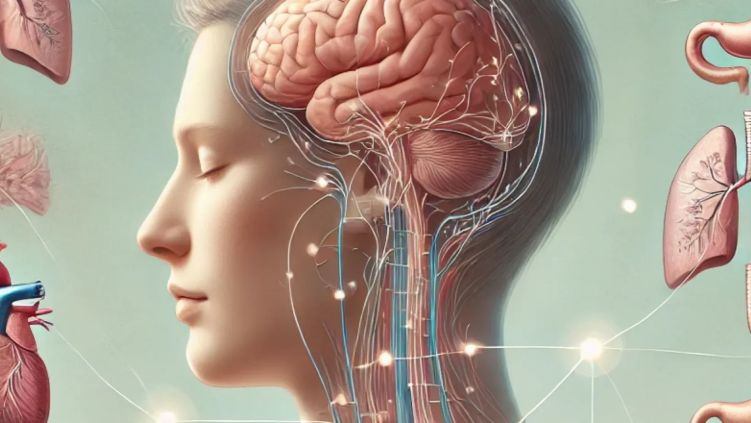
The way you talk to yourself determines how far you'll go.
Self-talk isn't a side issue. It's a crucial form of self-leadership.
On the field. In the boardroom. On stage. Everywhere.
What you say to yourself in the moments that matter directly affects your brain activity.
Negative self-talk activates the threat system. Your body tenses up, your focus scatters, and your confidence drops.
And that's exactly when you don’t lose to your opponent — you lose to your own internal dialogue.
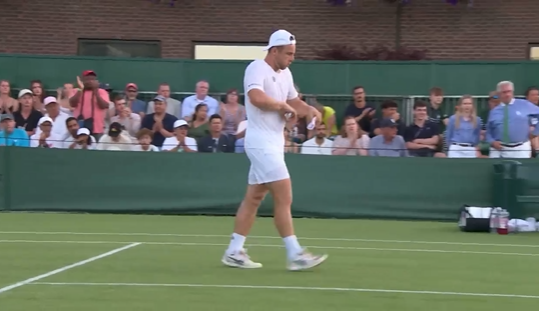
Plenty of research is crystal clear about this:
🧠 Your ability to think sharply and act smoothly decreases.
🧠 Stress hormones take over, muscle tension increases.
🧠 Your body goes into overdrive, your mind into lockdown.
🧠 The prefrontal cortex (your ‘playmaker’ under pressure) loses control.
It’s sabotage from within. Not due to a lack of skill, but because your brain is defending itself… against itself.
If you want to perform under pressure, you must train what happens on the inside.
Self-talk isn’t a detail — it’s an extra weapon. A skill. A muscle you can train deliberately.
Four ways to start doing that today:
- Recognize your patterns. Become aware of your inner voice. What do you say to yourself right before the crucial moment?
- Name it and reframe it. Say out loud what you're thinking — then flip it. Use powerful and positive language. Shift from “I can’t do this” to “I’m prepared and focused on my task.”
- Use performance anchors. Words, phrases, or gestures that connect you to your best self. Elite athletes use routines (mantras) that activate their system.
- Practice under pressure. Don’t train your self-talk in calm — train it in the storm. That’s when you build mental dominance.
Self-talk is a form of leadership.
And leadership starts from within.
Those who learn to coach themselves become unstoppable.