
De meeste DGA’s en business leaders maken geen fouten. Ze nemen besluiten.
𝐄𝐧 𝐬𝐨𝐦𝐬 𝐩𝐚𝐤𝐭 𝐳𝐨’𝐧 𝐛𝐞𝐬𝐥𝐮𝐢𝐭 𝐚𝐧𝐝𝐞𝐫𝐬 𝐮𝐢𝐭 𝐝𝐚𝐧 𝐛𝐞𝐝𝐨𝐞𝐥𝐝
𝙁*𝙘𝙠 𝙐𝙥 𝙁𝙧𝙞𝙙𝙖𝙮 is een plenaire, in-company sessie (± 2 uur) voor leiders die snappen dat groei begint bij open...

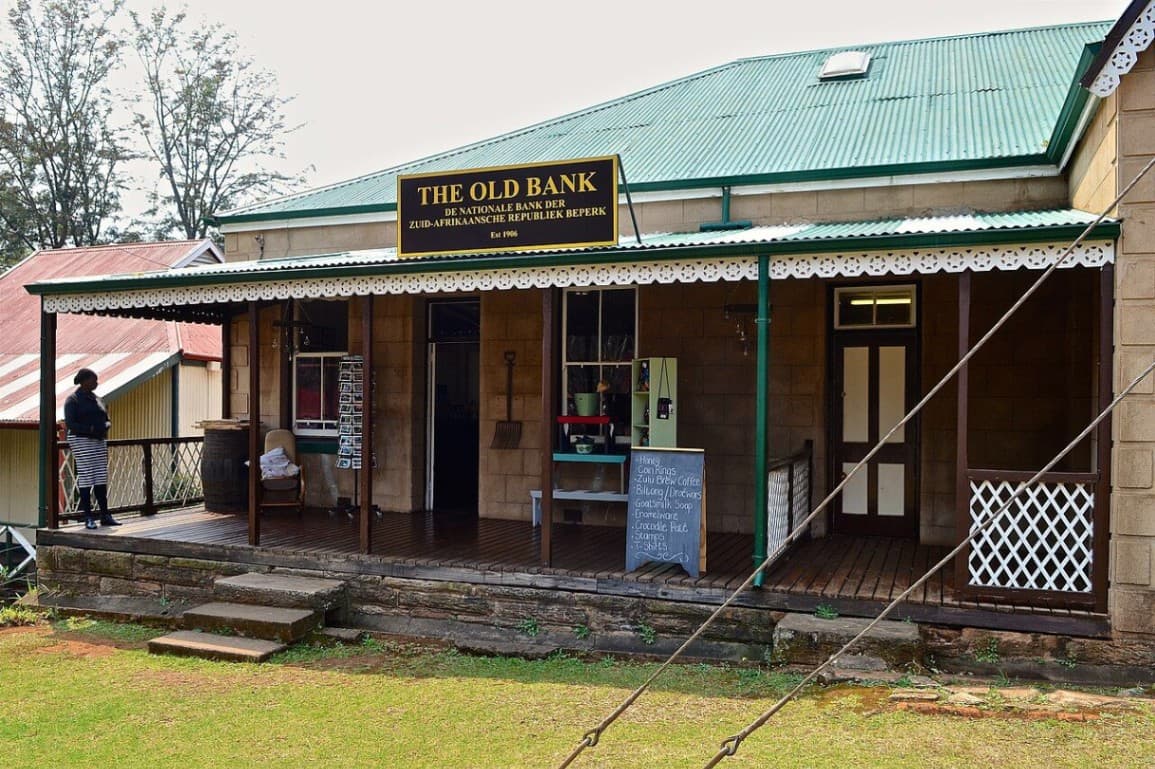
Pilgrim’s Rest: South Africa’s Living Gold Rush Museum
📍 Mpumalanga, South Africa
🗓️ By putiton.online staff writer
Step into the time capsule that is Pilgrim’s Rest — a perfectly preserved heritage town tucked into the verdant hills of Mpumalanga. Once a bustling gold rush settlement, this small
town with a big story is now a charming living museum, drawing visitors eager to walk the dusty paths of prospectors and pioneers.
Where Gold Fever Began (Again)
The gold rush that shaped Pilgrim’s Rest began in 1873, when prospector Alec Patterson quietly panned rich alluvial gold in a nearby creek. But secrets don’t stay buried long. Fellow prospector William Trafford couldn’t resist registering a claim — and just like that, the quiet valley became a hotbed of gold fever.
Within months, over 1,500 hopeful diggers descended on the area. The dream? To strike it rich in the stream beds of Pilgrim’s Creek, just a few kilometres from the overcrowded MacMac diggings.
From Pans to Picks: Industrial Mining Takes Over
By the 1880s, surface gold was running out. The solo dreamers gave way to corporations, and underground mining operations started to dig deep. The small claims were consolidated, leading
to the birth of Transvaal Gold Mining Estates (T.G.M.E.) in 1895 — the first gold mining company listed on the London Stock Exchange.
Innovation followed: electricity was introduced for trams and crushers, powered by a local hydroelectric station built in 1897. By 1911, the Belvedere Power Station on the Blyde River was
operational, supplying power to Pilgrim’s Rest and nearby communities. The town became the second in southern Africa to enjoy streetlights — after Kimberley, another mining legend.

War, Money, and the Mysterious Veld Pond
Pilgrim’s Rest didn’t just dig gold — it minted it too. During the Second Boer War, the town was chosen as the site for an emergency mint that struck the rare and legendary Veld Pond — a coin now prized by collectors worldwide.
Robber’s Grave: Legends in Stone
Pilgrim’s Rest’s cemetery tells its own stories. All graves face the rising sun — except one.
The “Robber’s Grave”, marked only by a cross and those ominous words, lies at right angles to the rest. Its tale is steeped in local legend. Some say a thief caught stealing
a tent (or a wheelbarrow, depending on who’s telling it) met a violent end. But one compelling version links it to a man named Walter Scott, who fatally shot his
friend Roy Spencer in a drunken misunderstanding over a missing gold purse — later found in his own tent. Overcome with guilt, Scott took his own life, and was buried beside Spencer — with no honour, and no name.
A Museum Town Frozen in Time
Mining ceased in 1971, and the town was sold to the government to be preserved as a national museum. In 1986, it gained status as a provincial heritage site, ensuring its streets
and architecture remained unchanged since the mining heyday.
In 1998, mining resumed under Theta Gold Mines Limited, an Australian company that continues operations today.
Though the original TGME reduction works was once on the UNESCO World Heritage Tentative List (added in 2004), it was removed in 2016.

Today’s Pilgrim’s Rest: History You Can Walk Through
Modern-day Pilgrim’s Rest is more than a memory. It’s a vibrant heritage village, where you can pan for gold, tour vintage homes, explore village museums, and grab a bite at quaint local restaurants. Accommodation options let you sleep where miners once dreamed of fortune — without the back-breaking labour.
Whether you’re a history buff, an off-the-grid traveler, or a curious local, Pilgrim’s Rest offers a rare chance to walk in the footsteps of gold-seekers, dreamers, and outlaws.
📸 Have you visited Pilgrim’s Rest? Share your photos and stories with us : info@putiton.online on Instagram! putiton-1
🛎️ Plan your trip: Explore tour info, museum passes, and local stays via our travel guide section.
We'll send you a nice letter once per week. No spam.


