Office Property Comeback: Why Prime London Offices Are Booming Despite AI Fears
By Put-It-On Reporter
LONDON, Feb 10 – Office property is staging an unfashionable comeback.
After years of gloomy headlines about remote work, empty desks and the looming threat of artificial intelligence, investors and occupiers are quietly piling back into prime office buildings.
The result: rising rents, firmer valuations and renewed competition for the best space — particularly in global hubs like London.
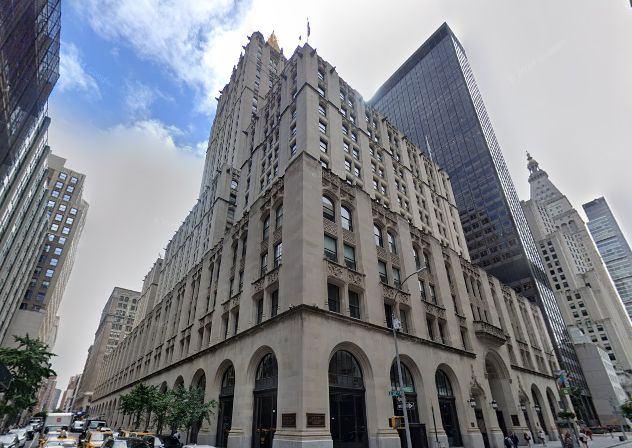
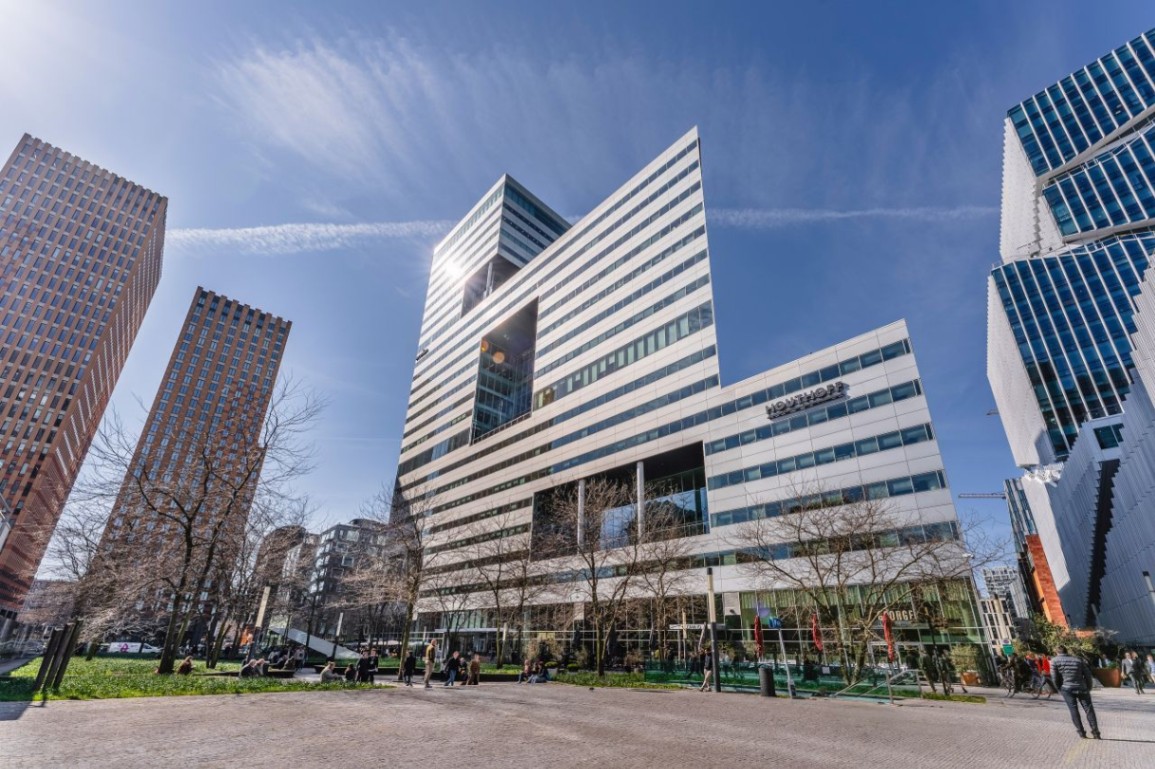
Prime Office Space Is Back in Demand
The narrative around office real estate has been dominated by structural decline. Hybrid work models, corporate cost-cutting and the growth of AI tools have raised questions about how much physical space companies truly need.
Yet the top end of the market is telling a different story.
Occupiers are competing aggressively for modern, energy-efficient, centrally located buildings. Investors, meanwhile, are rediscovering confidence in premium assets that can
attract blue-chip tenants. In core business districts, vacancy rates for Grade A space are tightening rather than expanding.
This isn’t a broad-based recovery. Secondary offices — older buildings in weaker locations — continue to struggle. But prime properties in “the right places” are benefiting from a
powerful and surprisingly analogue constraint: a shortage of high-quality supply.
AI and White-Collar Jobs: Risk or Red Herring?
Artificial intelligence remains a looming question mark for the office sector. Advances in automation have sparked concerns about long-term demand for white-collar roles, which traditionally anchor office occupancy.
However, the current rebound suggests that AI’s impact may be slower and more nuanced than feared. While some tasks may be automated, companies still value collaboration, culture-building
and in-person interaction — particularly in industries such as finance, law and consulting.
In fact, as firms invest in AI, they are also consolidating into better offices that can support high-skilled teams. Rather than shrinking footprints indiscriminately, many are upgrading.
The Supply Squeeze Supporting Office Rents
The real driver of the office property comeback is supply.
Years of subdued development, stricter environmental standards and high construction costs have limited the pipeline of new, top-tier buildings. Retrofitting older stock to meet sustainability
requirements is expensive, and not all landlords can justify the investment.
This shortage of compliant, high-spec space has given landlords of prime buildings unexpected pricing power. Rents are edging higher, incentives are narrowing and asset values are stabilising.
In property markets, scarcity often outweighs sentiment. Right now, scarcity is winning.
What This Means for Investors
For investors, the message is increasingly clear: not all office property is equal.
- Prime, centrally located offices are regaining favour.
- Sustainable, energy-efficient buildings command premium rents.
- Older, secondary stock faces structural challenges and potential obsolescence.
The bifurcation within the sector is likely to persist. Capital is flowing selectively, rewarding quality and punishing mediocrity.
Outlook: Can the Office Recovery Last?
The comeback remains “unfashionable” because risks are real. Economic slowdowns, corporate restructuring and technological disruption could still dent demand.
But for now, the office property market — particularly in cities like London — is proving more resilient than expected. A shortage of the right offices in the right locations is helping the sector shrug off AI’s digital risks.
In real estate, fundamentals matter. And today, the analogue constraint of limited prime supply is outweighing the digital disruption narrative.