Boerderijwinkels worden beperkt
Agrariërs met een boerderijwinkel in West-Friesland krijgen te maken met strengere regels.
De zeven gemeenten in deze regio hebben namelijk een nieuwe detailhandelsvisie aangenomen.
Met strenge en beperkende r...

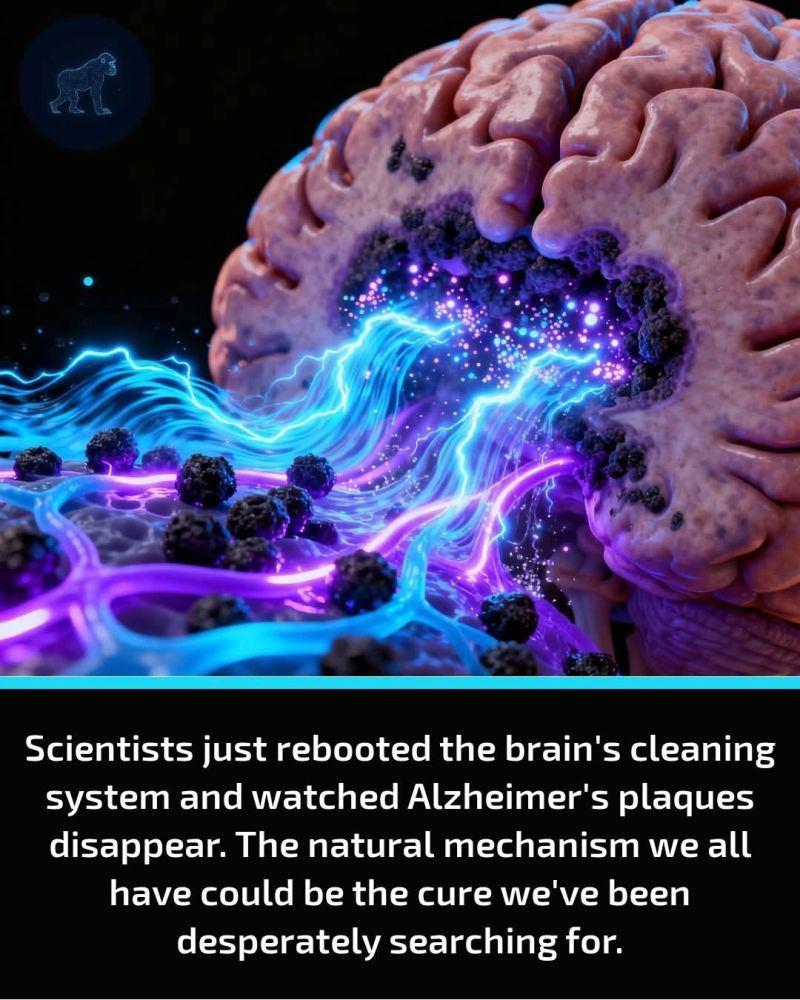
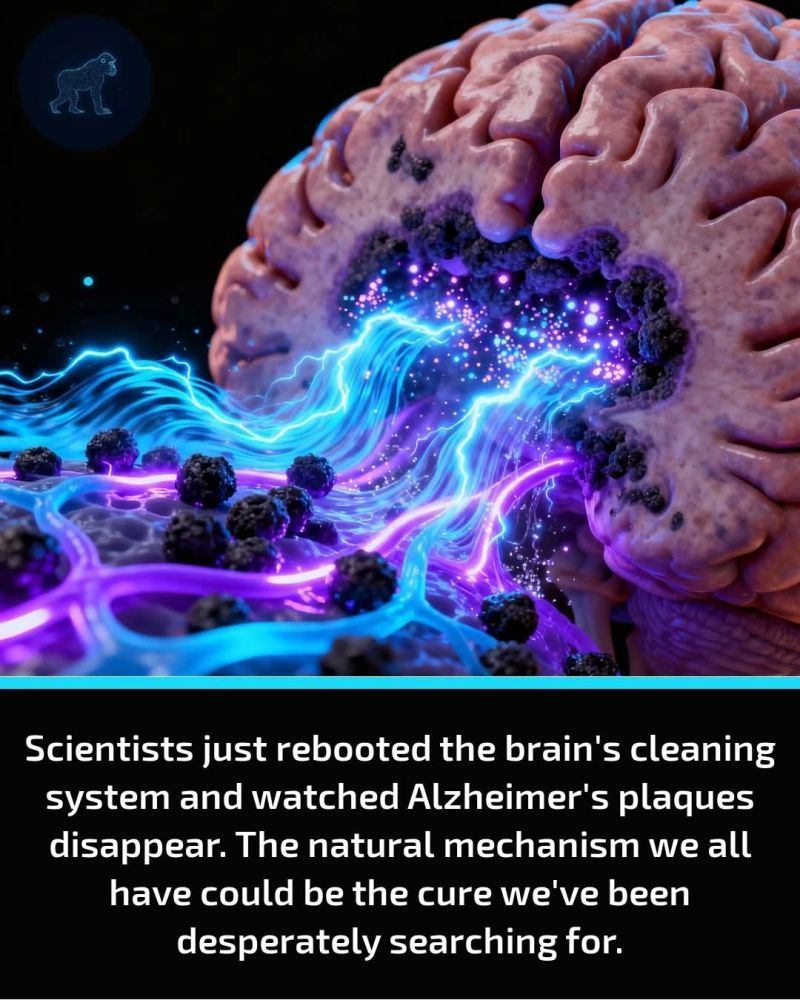
Your brain has a built-in cleaning system that's supposed to sweep away toxic proteins while you sleep.
But in Alzheimer's patients, this system breaks down.
Now scientists have figured out how to turn it back on.
Researchers just successfully reactivated the brain's natural garbage disposal, triggering a dramatic reduction in those deadly protein plaques that steal memories and destroy lives.
This isn't just slowing the disease. This could be the key to reversing it.
For decades, Alzheimer's researchers have been focused on attacking amyloid plaques directly, like trying to clean up trash that's already piled up. But this new approach is different.
Scientists discovered that our brains have a sophisticated waste removal system called the glymphatic system that's supposed to clear out toxic proteins during sleep. In Alzheimer's patients,
this system malfunctions.
The breakthrough came when researchers at the University of Rochester and other institutions found they could reactivate these dormant cleaning pathways.
In experimental models, reactivating specific molecular switches caused the brain to resume its natural housekeeping, and the results were stunning.
Plaque levels dropped significantly, and cognitive function showed measurable improvement. The brain essentially remembered how to take out its own trash.
What makes this particularly exciting is that it works with the body's existing biology rather than introducing foreign substances.
Researchers are now exploring whether enhancing deep sleep, targeted drug therapies, or even non-invasive brain stimulation could trigger the same cleaning response in humans.
Early human trials are showing promise, with some participants experiencing slower cognitive decline.
This discovery could revolutionize treatment not just for Alzheimer's but for Parkinson's, ALS, and other neurodegenerative diseases where protein buildup plays a role.
The implications are massive for the 55 million people worldwide living with dementia.
📌Sources & References:
University of Rochester Medical Center research on the glymphatic system, Nature Neuroscience journal publications on amyloid clearance mechanisms, and ongoing clinical trials
registered with the National Institutes of Health on sleep enhancement therapies for Alzheimer's prevention.
1. https://www.rochester.edu/newscenter/cleaning-up-the-aging-brain-616872/
2.https://www.urmc.rochester.edu/labs/nedergaard/projects/glymphatic-system
3.https://www.urmc.rochester.edu/news/story/study-that-shows-how-brain-cleans-itself-while-we-sleep-honored-by-aaas
4.https://www.nature.com/articles/nrneurol.2013.51
5.https://www.sciencedaily.com/releases/2024/08/240815124156.htm
6.https://www.urmc.rochester.edu/news/story/not-all-sleep-is-equal-when-it-comes-to-cleaning-the-brain
7.https://www.nia.nih.gov/research/ongoing-AD-trials
8.https://www.nih.gov/news-events/nih-research-matters/insomnia-drug-may-lower-levels-alzheimers-proteins
✓Peer-Reviewed Scientific Publications:
1.https://pmc.ncbi.nlm.nih.gov/articles/PMC4636982/
2.https://pmc.ncbi.nlm.nih.gov/articles/PMC4980916/
3.https://pubmed.ncbi.nlm.nih.gov/32705145/
4.https://www.mdpi.com/1422-0067/26/15/7552
5.https://www.nature.com/articles/s41467-024-55678-w
6.https://www.nature.com/articles/s41586-024-07132-6
7.https://pmc.ncbi.nlm.nih.gov/articles/PMC8186542/
8.https://www.sciencedirect.com/science/article/pii/S0361923025000759
9.https://pmc.ncbi.nlm.nih.gov/articles/PMC9496080/
10.https://www.frontiersin.org/journals/aging-neuroscience/articles/10.3389/fnagi.2025.1598608/full
Credits: CTTO, Evolved Chimp
We'll send you a nice letter once per week. No spam.