The Dutch hydrogen strategy is increasingly tied to Gulf supply chains, linking production in Saudi Arabia, the UAE and Oman to demand in Europe.

The Dutch hydrogen strategy is increasingly tied to Gulf supply chains, linking production in Saudi Arabia, the UAE and Oman to demand in Europe.
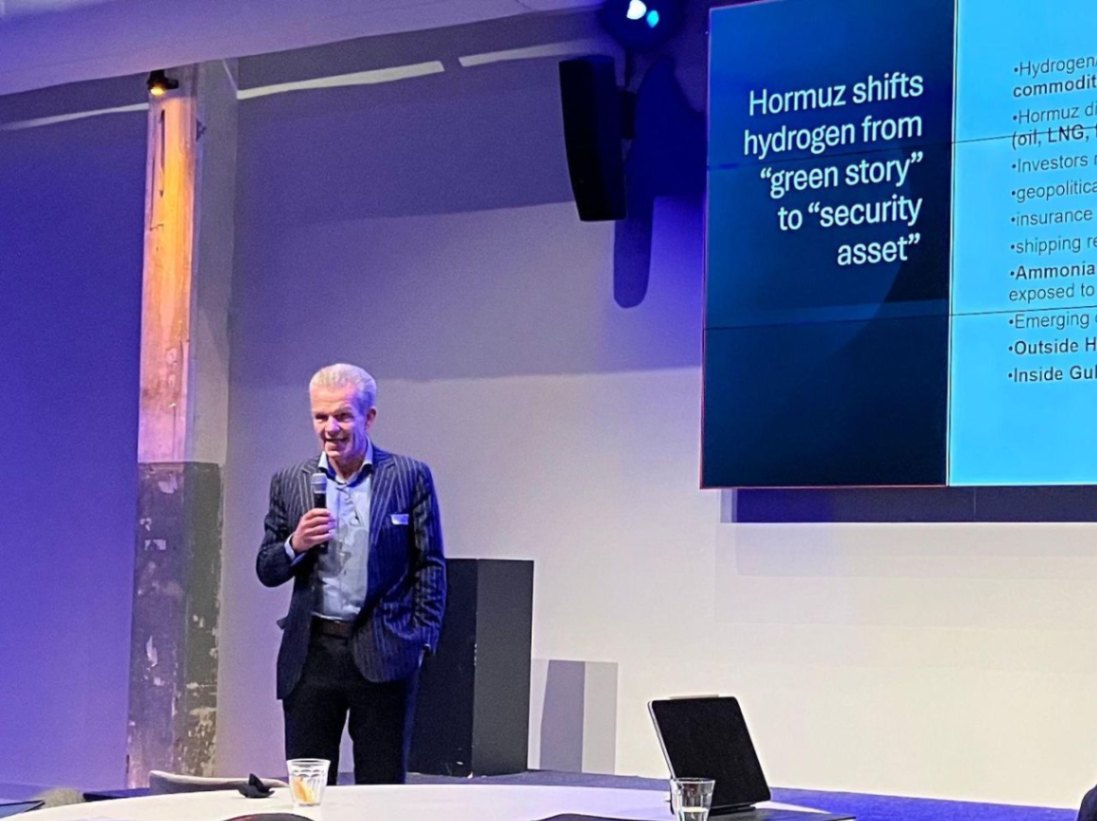
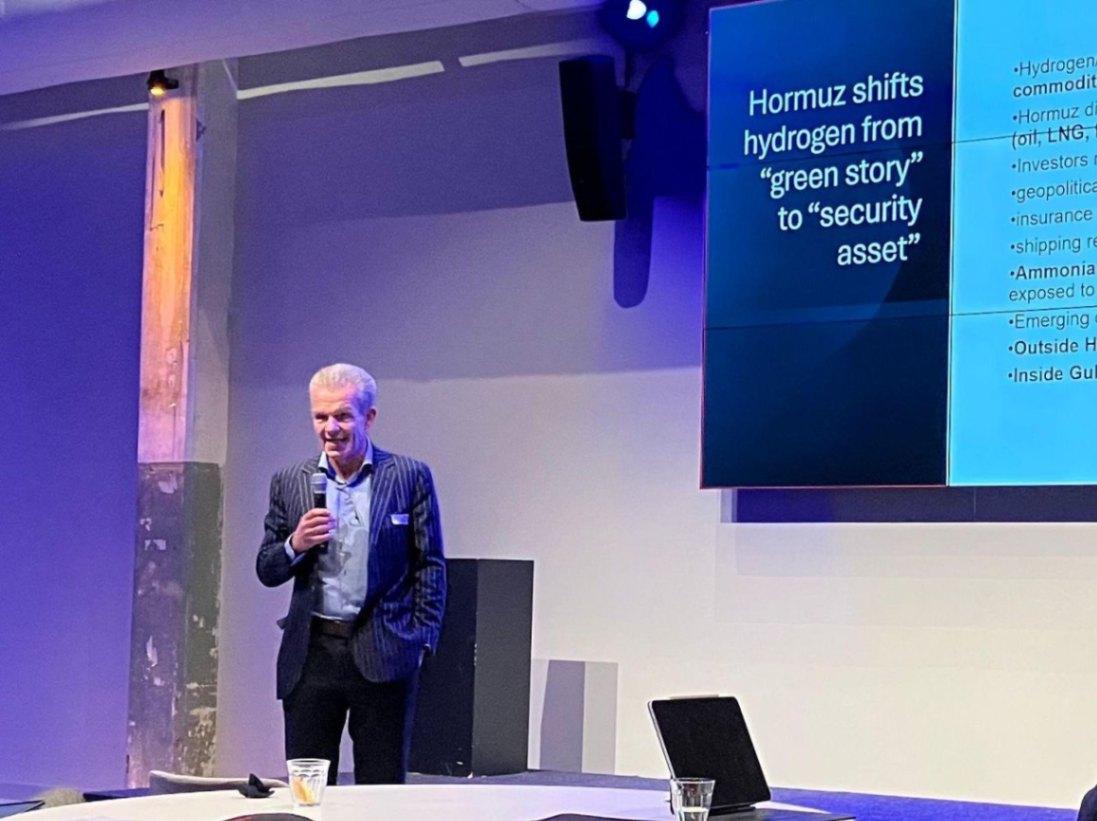
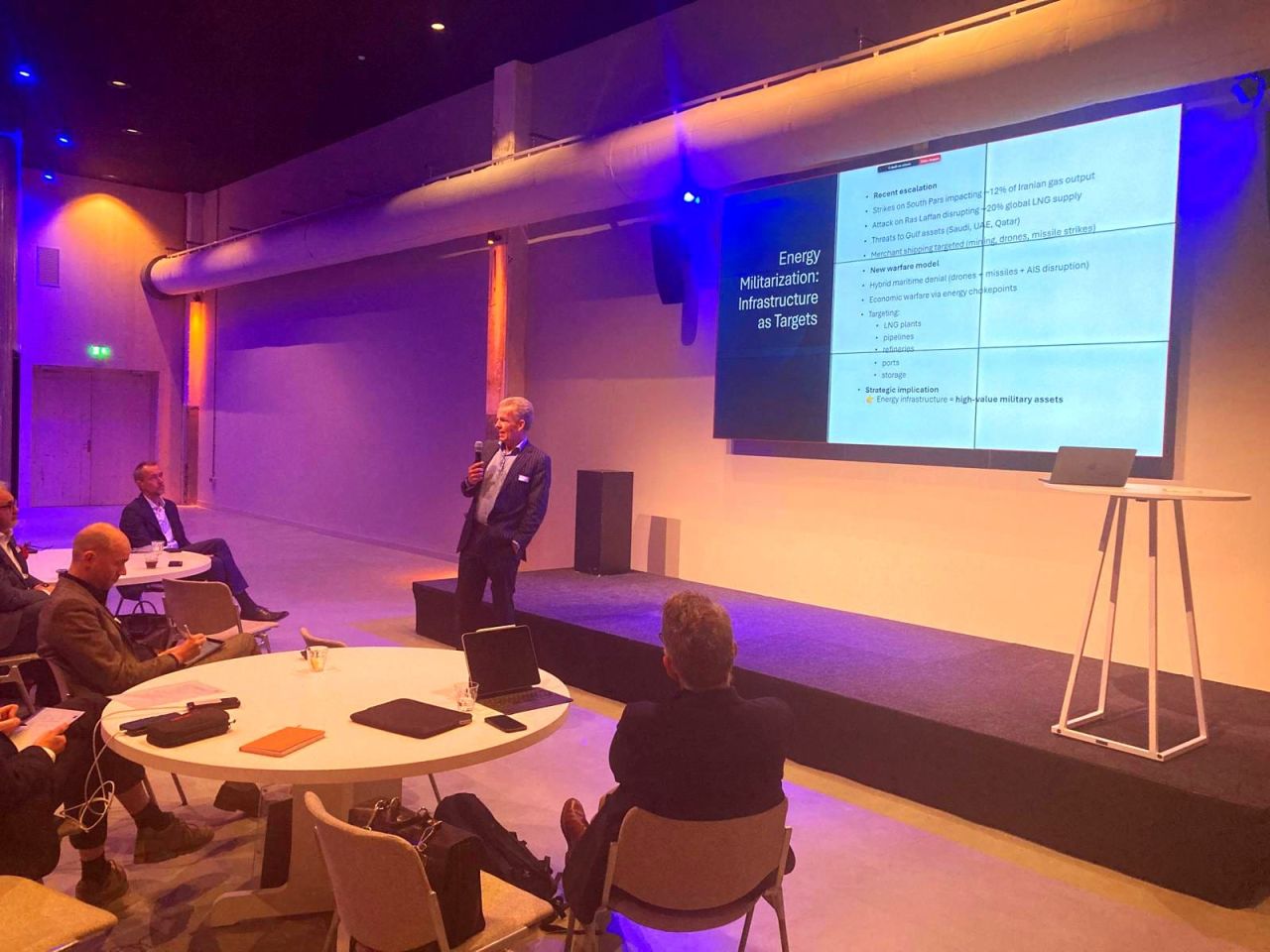
Presented yesterday at the Holland Hydrogen Hub (H3) session in Arnhem, The Netherlands, on “Hormuz and the Future of Hydrogen”—a discussion that could not be more timely.
The Dutch hydrogen strategy is increasingly tied to Gulf supply chains, linking production in Saudi Arabia, the UAE and Oman to demand in Europe.
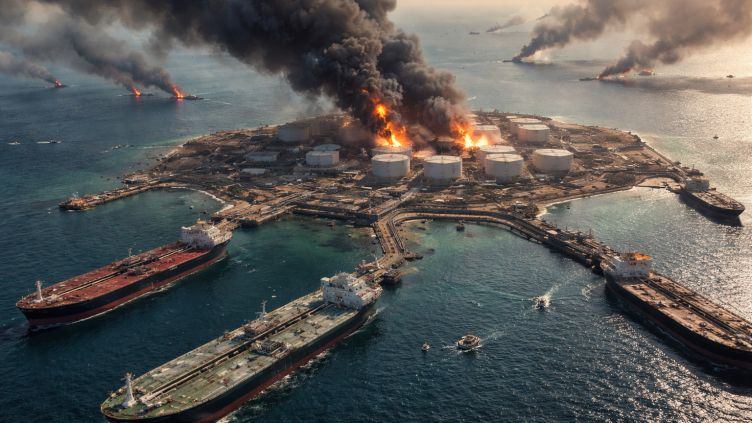
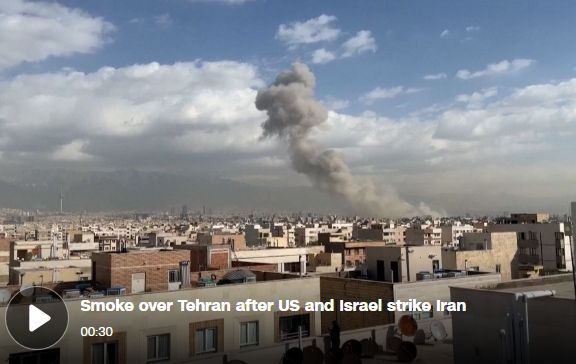
What is now clear: Hormuz is no longer just an oil chokepoint—it is a hydrogen chokepoint in the making.

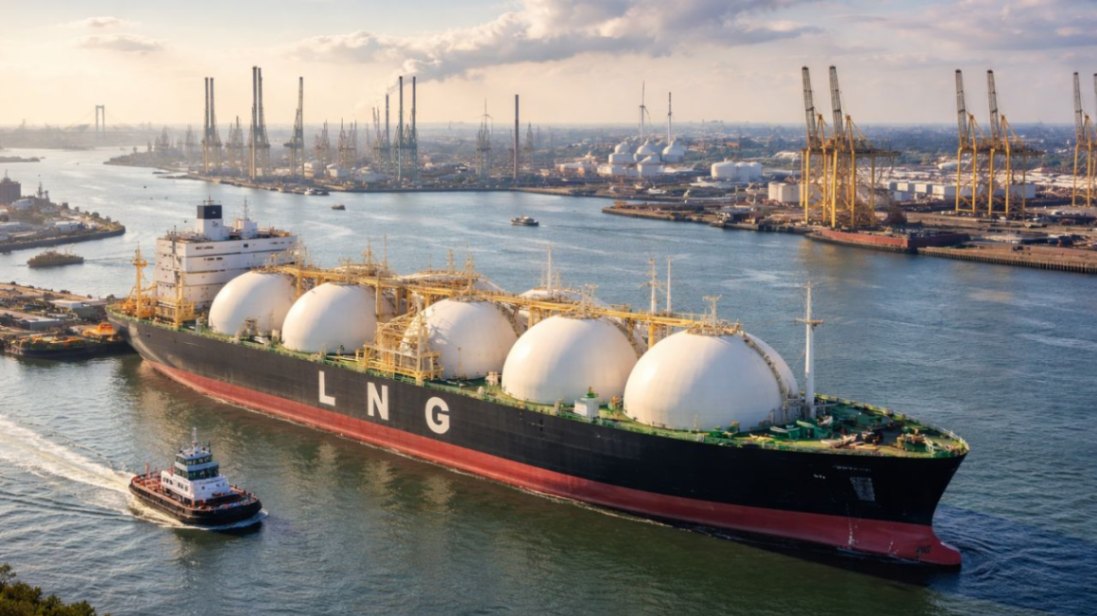
For policymakers, ports, and investors, the message is simple: hydrogen security will mirror LNG and oil risks—geopolitics will define flows.
Strong engagement from the Dutch Ministry of Foreign Affairs, RVO, and embassies underlines the urgency.
Special thanks to Jacco Jansen BSc MBA and Marcel Kooter (H3) for the invitation.
#BWS #BlueWaterStrategy #Hydrogen #H3 #HollandHydrogenHub #EnergyTransition #HydrogenEconomy #GreenHydrogen #Ammonia #CleanEnergy #EnergySecurity #Geopolitics #Hormuz #MiddleEast #Gulf #SaudiArabia #UAE #Oman #Netherlands #PortofRotterdam #Ports #Shipping #Maritime #Bunkering #LNG #GasMarkets #OilMarkets #EnergyMarkets #CommodityTrading #Traders #Banks #TradeFinance #ProjectFinance #Infrastructure #EnergyInfrastructure #Policy #RVO #DutchGovernment #Embassies #StrategicRisk #EnergyStrategy #Vopak #Atradius #Duiker #RoyalHaskoning Blue Water Strategy Gisele Widdershoven, MBA Michiel Engelaar