As the U.S. and China seek to redefine their roles on the global stage, Europe is facing an inflection point. The continent – defined for this newsletter as the 27 EU
countries plus Norway, Switzerland, and the United Kingdom – represents almost one fifth of global GDP.
Its strengths, including a large, wealthy market; political stability; and an educated population, offer tremendous opportunities for businesses and investors. Yet its economic momentum has slowed due to lower productivity, fewer working hours, and a failure to align educational curricula to the skills of tomorrow.
Implementing these changes will require significant investment in the next generation, many of whom are concerned about whether their education is providing them with the skills needed for a successful career.
To ensure that talent is meeting industry needs, Europe can:
Leverage its high-quality education system to future-proof worker skills through programs and grants
Accelerate the adoption of digital and AI technologies through investments in infrastructure and ecosystems
Strengthen collaboration between employers and academia through joint R&D investments and skills-based training programs aligned with market needs
Introduce tax breaks or incentives to attract and retain tech talent
But many speakers at FII PRIORITY Europe stated that perhaps the most critical action is to streamline regulatory burdens, which can act as a headwind against growth.
McKinsey found that eight of ten European companies report that they don’t fully understand the obligations introduced by the EU AI Act. This confusion can reduce enterprises’ ability to invest in or adopt the latest AI models.
In addition, regulation is often fragmented across the continent, making it hard for startups to scale and challenging for businesses of all sizes to remain compliant. Couple that with restrictive employment rules
that can prevent companies from moving workers into new roles, and it’s a recipe for a slowing economy and reduced investment.
But a new Europe is starting to emerge. Countries such as Finland and Estonia have built successful education programs focused on technology. Programs like these are critical considering that only 35% of citizens
Finland’s free “Elements of AI” course has enrolled more than a million learners and has been adopted in over 170 countries. And Estonia is providing AI-based educational tools to thousands of high school students
and teachers through its “AI Leap 2025 Program,” which counts OpenAI and Anthropic as partners.
Automation is also showing great promise.
As the world becomes increasingly divided, Europe can serve as a global force and a bridge between East and West by prioritizing a long-term business-friendly outlook, fostering innovation, investing in
tomorrow’s critical industries, and upskilling its youth. Further, Europe can serve as an incubator for ideas that can allow emerging markets to benefit from AI through programs such as FII Institute’s AI
Inclusive Initiative, which brings together a variety of global stakeholders to help secure funding and advocate policies that support the positive use of AI.
academia, discussing the need for Europe to present itself as a more viable investment destination.
As Italian Senator and former Prime Minister Matteo Renzi said during the panel, it’s time to transform the continent from a place of bureaucracy to a place of innovation.
FII Institute Recommended Reading
Private equity leaders are expressing optimism about investment opportunities in Europe, CNBC reports that speakers at the SuperReturn Berlin conference cited falling interest rates, increased
political stability, and lower valuations compared to the U.S. as reasons to be bullish.
New research from McKinsey explores how Europe can overcome barriers such as fragmented markets, conservative corporate norms, and a slower flow of late-stage capital, to create new momentum for its technology ecosystem.
Dr. Stefano Tasselli of Rotterdam School of Management writes in Forbes about the challenges and opportunities for European innovation as the continent seeks to balance its regulatory tradition with growth-oriented policies.
FII Institute TV
Join FII Institute as we explore the frontiers of knowledge and lead the charge toward a brighter future.Our channel spotlights transformative technologies, visionary leaders, and stories that inspire, inform and ignite change.
Watch the most recent episodes from FII PRIORITY Europe in Tirana below:
Edi Rama,Prime Minister of Albania was interviewed on the country’s potential as a hub for Europe and the importance of fostering collaboration between public and private sectors in the region.
Entrepreneur and healthcare leader Dan Vahdat, Founder and CEO of Huma, emphasized the importance of creating a more cohesive regulatory environment and reducing taxes on tech and AI innovators.
The 9th Edition of the Future Investment Initiative (FII9) will convene a unique assembly of global investors, visionary leaders, and pioneering minds that translates thoughtful debate and long-term vision into collaborative action with a variety of engagements including FII Institute Members, Officials, Strategic Partners and their invited delegates with the following roadmap:
DAY 0, 27th October 2025: Day 0 hosts a series of exclusive, invitation-only conclaves convening the world’s foremost investors, CEOs, and policymakers for unscripted dialogue. By tackling critical issues in a confidential setting, these sessions are designed to forge the trust and consensus needed to set a solutions-oriented agenda for the main conference. Additional Day 0 programming to be announced.
DAY 1, 28th October 2025 & DAY 2, 29th October 2025: Days 1 and 2 of FII9 will spotlight global dialogues on the most consequential questions of our time. As an inclusive platform for luminaries in government, business, and technology, FII9 discussions will set the narrative on the future of investment and policy.
DAY 3, 30th October 2025 | Investment Day: INVESTMENT DAY at FII9 is where deals are made. Delve into the strategy of renowned investment firms and hyper-growth ventures, demo next-gen tech, engage in high value networking with global Founders and LPs—unlike any other investment event in the world.
Register here : https://fii-institute.org/conference/fii9-edition
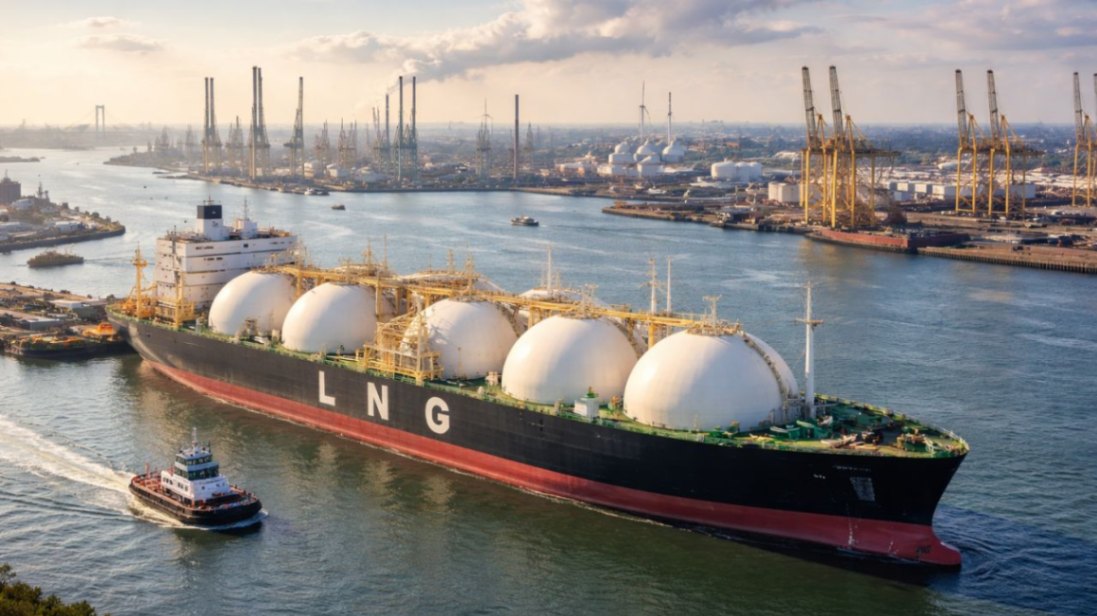
From Sea Lanes to Land Bridges: How Global Shipping Lines Are Rewiring Gulf Logistics After Hormuz (Part I) The end of a maritime certainty
The decades-old assumption that the Strait of Hormuz will always be functionally open is over. The global shipping system has been built on this assumption, but the 2026 Iran war has shattered it. At present, s...
Nederland speelt energiepolitiek alsof de wereld stabiel is, terwijl het systeem al leegloopt
Nederland staat niet aan de rand van een energiecrisis, maar zit er al middenin. Den Haag weigert het alleen te erkennen. Het is niet morgen op, maar de fundamenten onder het systeem zijn structureel uitgehold....
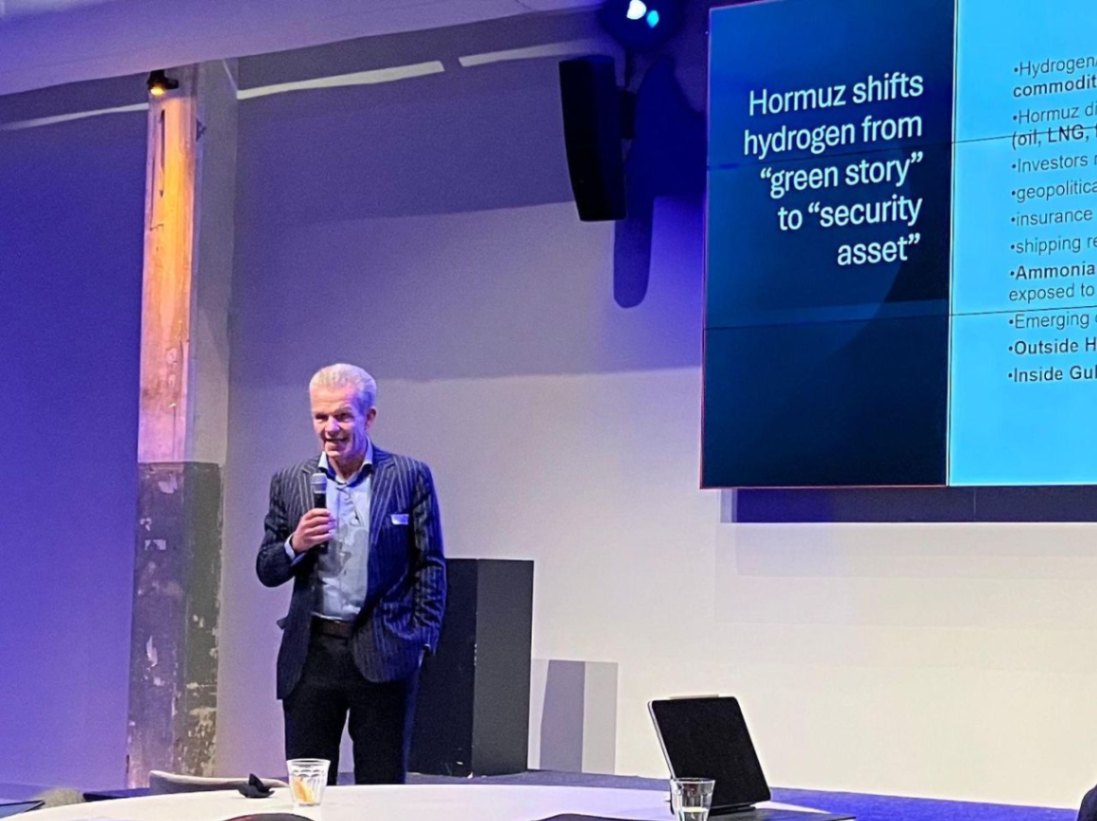
The Dutch hydrogen strategy is increasingly tied to Gulf supply chains, linking production in Saudi Arabia, the UAE and Oman to demand in Europe.
Source : Cyril Widdershoven
Geopolitical strategist with a sharp focus on commodities, maritime, supply-chain, geopolitics, and security in the EMEA region, working on strategy, investments, risks and foresight...
Bron : Cyril Widdershoven is geopolitical strategist en senior advisor bij Blue Water Strategy met meer dan dertig jaar ervaring in het Midden-Oosten
Nederland heeft decennialang geloofd dat het zijn energiekwe...
Marco AgemaCollaboration Architect & Impact Strategist
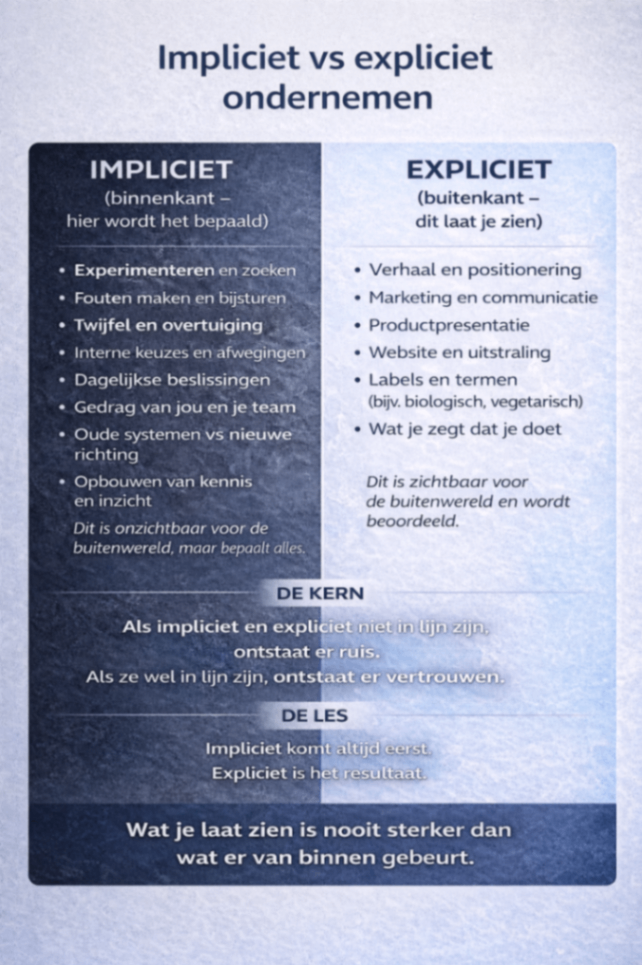
Het verschil tussen impliciet en expliciet ondernemen:
Achter elk zichtbaar verhaal zit een onzichtbaar proces van keuzes, twijfel, experimenten en ontwikkeling.
Juist dat impliciete deel bepaalt of wat je laat zien uiteindelijk geloofwaardig is.
In mijn blog neem ...
Marco AgemaCollaboration Architect & Impact Strategist
Wat is Duurzaam Ondernemen? (3)
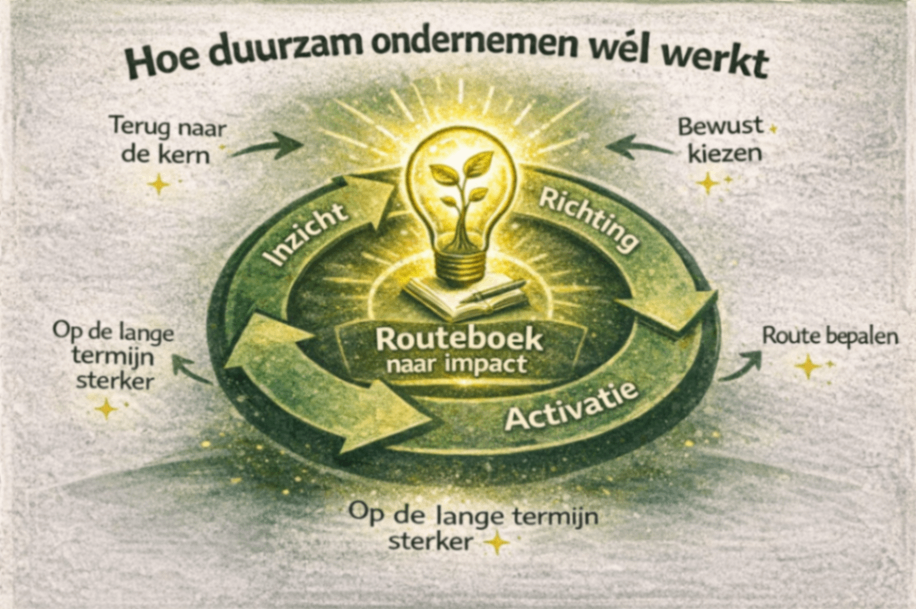
Duurzaam ondernemen werkt pas echt als je begrijpt waar je mee bezig bent.
Niet als project, maar als een manier van kijken, kiezen en handelen.
Van inzicht naar richting, en uiteindelijk naar activatie.
At CadeauXperts.nl, we deliberately work with premium brands. Many of these products carry a Design Award, but that goes far beyond appearance alone.
An award-winning product stands out through:
✔ Thoughtful f...
Marco AgemaCollaboration Architect & Impact Strategist
Wat is Duurzaam Ondernemen? (2)
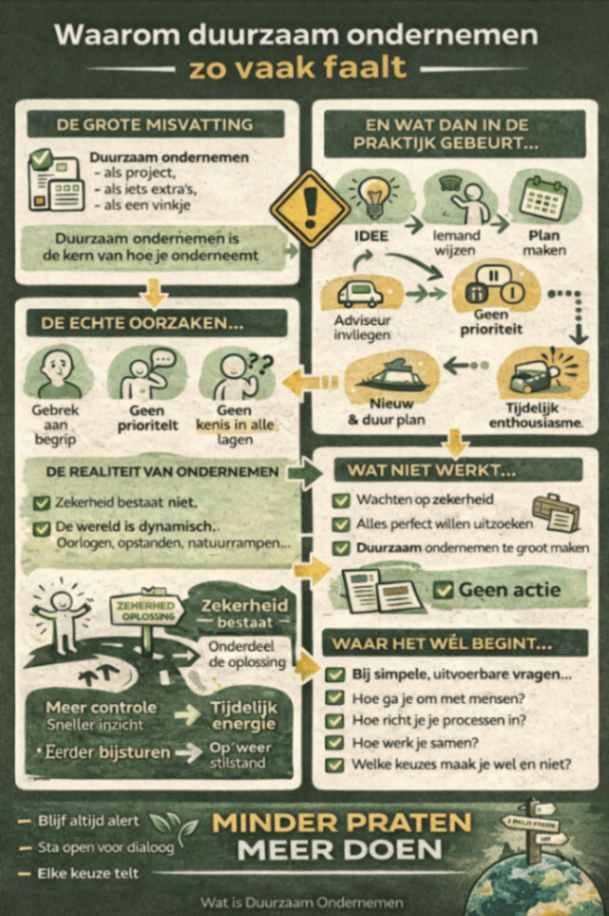
Duurzaam ondernemen loopt zelden vast op intentie, maar bijna altijd op de manier waarop we het benaderen.
We maken er een project van, terwijl het in werkelijkheid gaat over de keuzes die je elke dag maakt, we...
Join our newsletter
We'll send you a nice letter once per week. No spam.